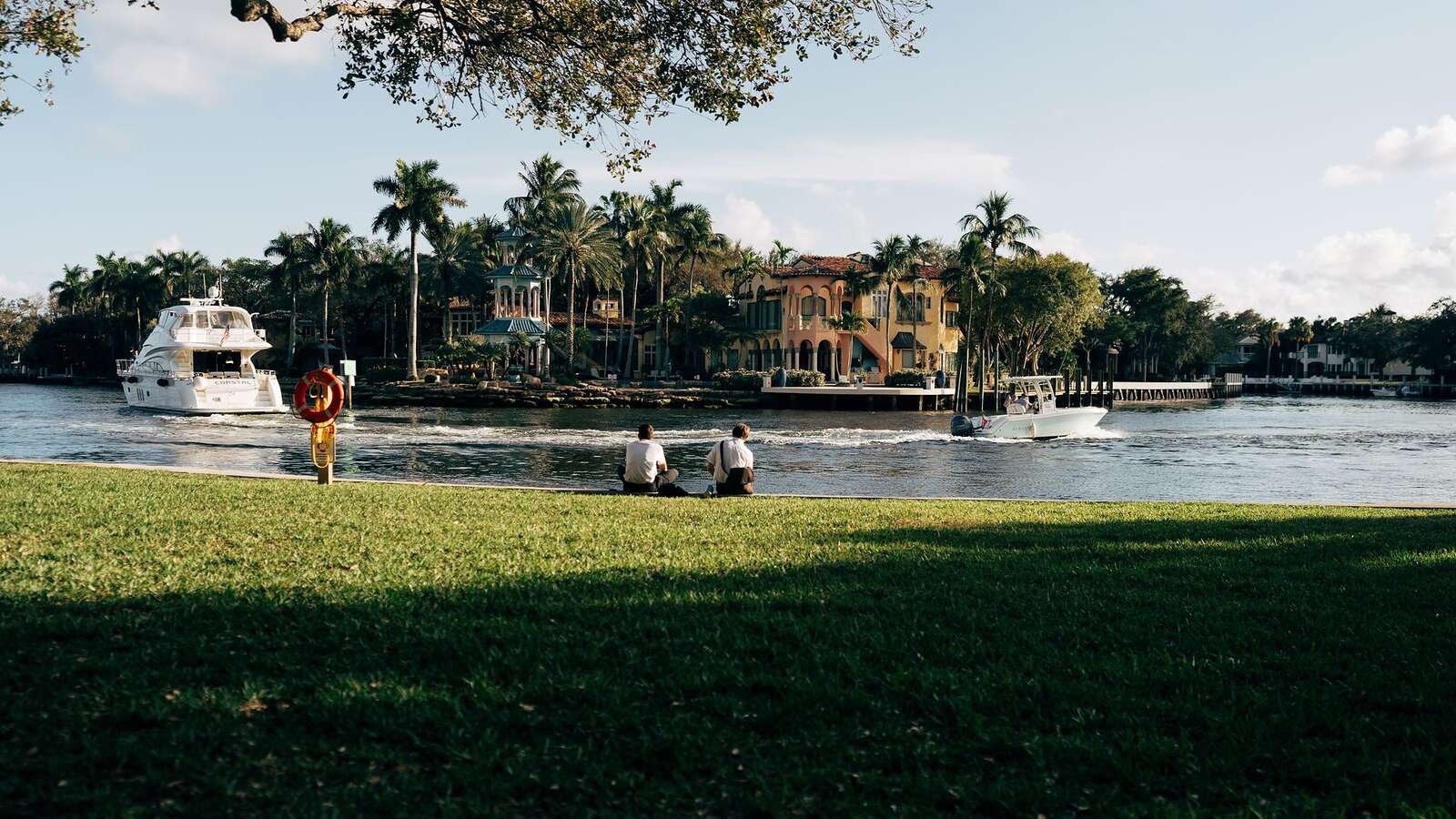
Rodent Removal in Wilton Manors, FL
Wilton Manors is a two-square-mile city wrapped by the forks of the Middle River, with 1940s to 1960s houses under a dense old canopy. The call gets a free roofline, canopy and river-bank inspection.
Free Inspection in Wilton Manors
On a Wilton Manors house the free inspection has three parts: the roofline, the trees over it, and the river or canal bank behind it, because in this city all three are close together and old. Whoever attends walks the eave and the soffit from a ladder, looks for the limb or frond that touches the roof, checks the seawall cap and dock line at the water, then reads the attic with a light for droppings and runways. Every opening is measured against the quarter inch that UF/IFAS gives as the rat-proofing standard, and the quote comes back with exclusion, trapping and cleanup on separate lines.
Wilton Manors is in Broward County, immediately north of Fort Lauderdale, about three miles from the downtown office, with Oakland Park on its north side. The phone is answered at any hour, so a first call at one in the morning when the scratching over the bedroom starts is a normal call here. Book on the contact page or ring (954) 790-6402 and say what you heard and which room it was over.
The Island City: river and canal frontage on almost every block
Wilton Manors is bordered by the North Fork of the Middle River and the South Fork of the Middle River, which is why the city calls itself the Island City, and the finger canals cut off both forks put river or canal frontage within a short walk of nearly every house in a city of under two square miles. That frontage is the rodent side of the property. Seawall caps, dock lines, boat lifts, mangrove edges and the hedges planted along them give a roof rat a sheltered route along the water, and a Norway rat a bank to burrow behind. UF/IFAS describes the roof rat as arboreal, traveling along branches, wires and palm trunks and ranging about 150 yards from the den, so a single overgrown lot on the river supplies the whole block.
Most homeowners inspect the front of the house and the driveway side. The rear, where the lot meets the water, is where the fronds meet the roof and where the gnawed soffit corner usually is. The free inspection starts there.
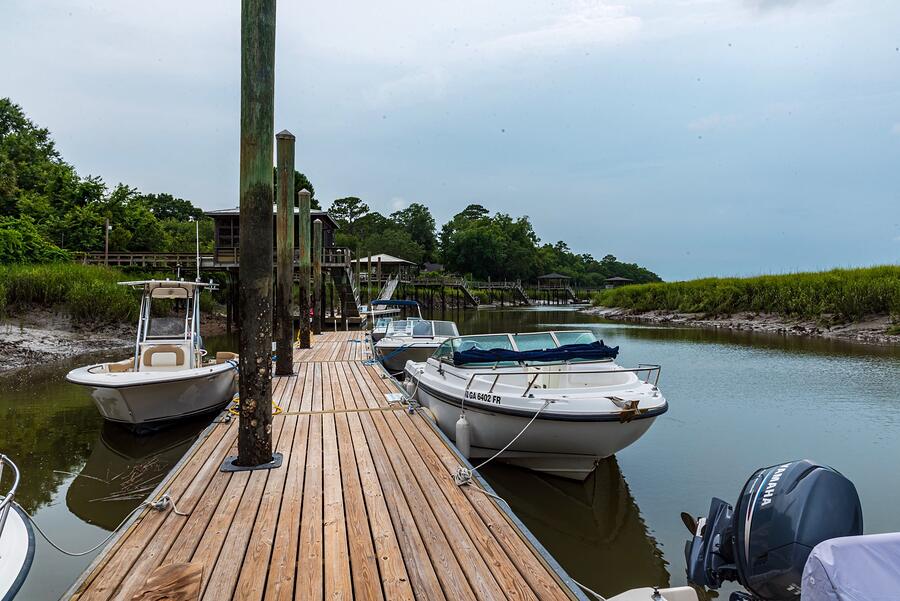
1940s to 1960s cottages and ranch houses under old trees
Wilton Manors was incorporated in 1947 and grew fastest through the 1950s and 1960s, so its housing is mostly small concrete block ranch houses and a scattering of earlier wood-frame cottages, many with the original terrazzo, the original soffits and fascia, and in some cases the original roof deck. Seventy years of sun and rain have opened the fascia-to-deck gap, rusted the soffit vent screens and cracked the plumbing vent boots on these houses, and each of those is a half-inch opening or larger, which is all a rat needs. Wood cottages add a detail block houses lack: a rat can gnaw an existing gap in soft, weathered wood wider in a night.
The canopy over these streets is one of the oldest in Broward County. Live oaks, mahogany, black olive and ficus planted decades ago now spread over the rooflines, and the mango, avocado and citrus in the yards ripen through the year. Limbs and fronds within about six feet of a roofline are the roof rat's route onto the house, and in Wilton Manors that means many limbs lie on the roof itself. The exclusion plan written for a house here always includes a pruning list alongside the sealing, and the rodent exclusion page shows what metal goes where. Roofs are a mix: many original houses carry shingle or a flat built-up roof over the addition, while remodeled and rebuilt houses carry barrel tile with the eave closure question that comes with it.
The April 2023 flood and what it did to low-lying streets
Wilton Manors flooded badly in the April 2023 rain event, when the National Weather Service recorded 25.91 inches at Fort Lauderdale in 24 hours, the highest 24-hour total in Florida's records, and residents on the city's lower streets were dealing with water in their homes the next morning, according to local news coverage. Standing water pushes rats out of burrows and off the ground and into whatever is dry and elevated, which on a one-story ranch house is the attic, and wet debris piles left on the curb for weeks afterward become harborage.
Leptospirosis is the disease the CDC watches after hurricanes and floods, rodents are on its list of carriers, and controlling them is among the measures it recommends once a flood has passed. Wilma in 2005 and Irma in 2017 both hit Broward County and tore soffit panels and lifted roofing on older houses, which the Department of Energy notes can cascade from one broken tile to the next. A post-storm rodent inspection exists for the weeks after wind or water; the rest of the year the free inspection covers the same points on a house that has been through it before.
What We Handle in Wilton Manors
Wilton Manors jobs run from the water's edge to the attic, on small old houses where the canopy and the river are both part of the problem.
- Roof rat removal: the species over nearly every Wilton Manors ceiling, arriving by limb and frond from the river bank.
- Rodent exclusion: fascia gaps, soffit rescreens, vent boots and tile eave closures on 1940s to 1960s houses, sealed with metal to a quarter inch.
- Rodent inspection: the free roofline, canopy and river-bank check, with findings in writing.
- Attic cleanup: low, tight attics on small ranch houses cleared of droppings and soiled insulation.
- Attic insulation replacement: original or compressed insulation replaced after the attic is clear.
- Dead rodent removal: a carcass in the wall of a cottage after a poison-only plan.
- Rodent clearance letters: a written finding for a sale in a city where old houses change hands and get remodeled often.
A Typical Wilton Manors Job
The situation: A couple in a 1950s block ranch house on a finger canal off the South Fork in Wilton Manors hear scratching and a rolling sound in the ceiling of the second bedroom every night from October on. A mahogany limb lies across the back roof slope, a coconut palm on the seawall reaches the gutter, and there are hollowed mangoes under the tree by the dock. One of them has moved to the couch to sleep and has stopped mentioning it to friends after being told it is probably a lizard.
What gets done: Whoever attends finds droppings a quarter to half inch long along the joists over the bedroom, a fascia board that has pulled a finger's width away from the roof deck along the rear eave, and a plumbing vent boot cracked open. The fascia gap is closed with sheet metal along its length, the vent boot is replaced and collared, the soffit vents get quarter-inch galvanized hardware cloth, and the limb and the palm are marked for pruning back from the roof. Snap traps go on the dropping run in the attic and stay a week. The quote lists exclusion, trapping and a return visit separately.
How it turns out: Several adults are taken in the first ten days, then the traps stay empty. The return visit finds no fresh droppings and no new gnawing, the couple get a written list of what was sealed and where, and the second bedroom is quiet by the time the cool snaps start. Attic cleanup is quoted on its own line and scheduled for the following month.
What This Costs in Wilton Manors
A Wilton Manors quote starts from the national typical-job bands below and is confirmed at the free inspection, itemized so the sealing, the trapping and any cleanup can each be compared with another bid.
| Line item | National band (HomeGuide 2026) |
|---|---|
| Standalone inspection | $0 to $175 elsewhere; free here |
| Trapping and removal | $250 through $1,200 |
| Full-home exclusion | $500 through $2,500 |
| Attic cleanup and decontamination | $600 through $2,500 |
| Insulation removal and replacement | $2.50 to $5.50 a square foot |
| Dead rodent removal | $150 through $500 |
| Full-scope restoration | $3,000 to $10,000 or more |
The bands are national, since no Wilton Manors cost survey exists. Small houses on slab keep trapping and cleanup toward the low end here, and the national guides price crawl-space and basement work that these houses were never built with. Age pushes the other way: a 1950s house with a loose fascia the length of the rear eave, a cracked vent boot and rusted soffit screens has more to close than a newer house, and a remodeled house with a barrel tile roof needs the eave closure run its full length. The count of openings found at the inspection sets the number.
Materials that keep rodents out
A comparison of what actually holds at a gap.
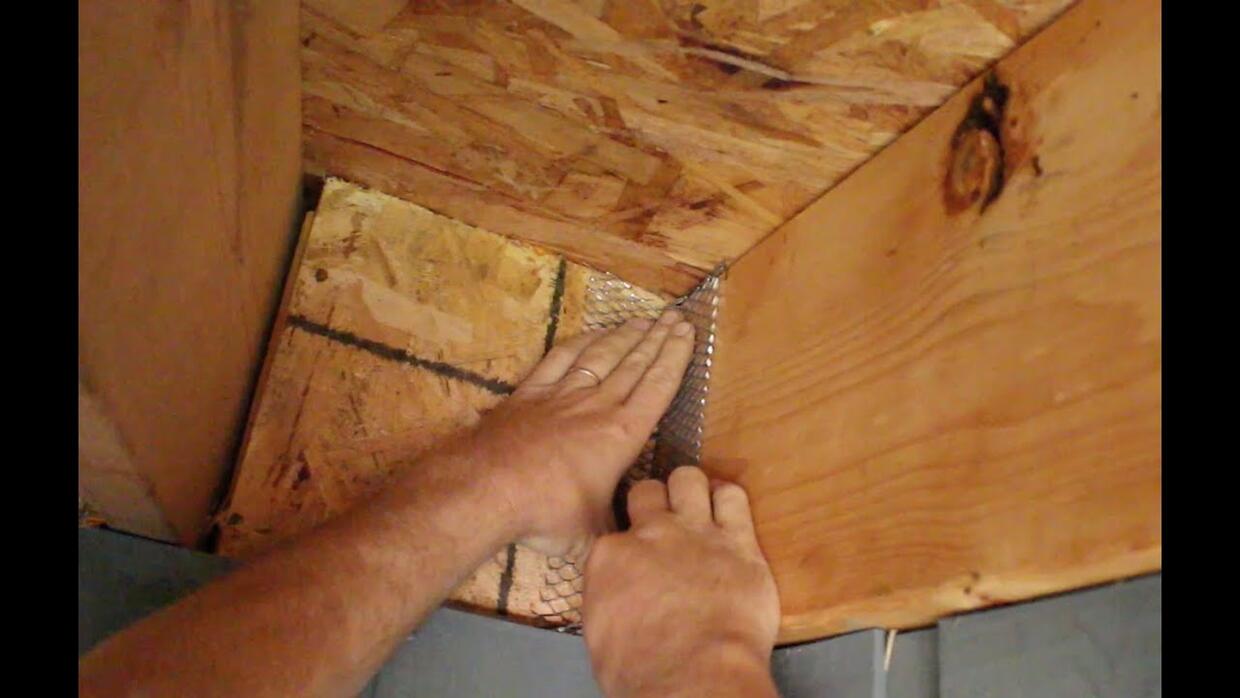
Video: How to keep mice out. Cheaper than hardware cloth, from Ontario Lakeside.
Common Questions in Wilton Manors
What callers from Wilton Manors want settled before they book.
Wilton Manors houses
Is it the river that brings rats to my house?
The cover along the river, and the trees over the roof. The Middle River and its finger canals give a roof rat a sheltered route along seawalls, dock lines and hedges, and the old canopy in Wilton Manors gives it the last step onto the roof. UF/IFAS describes the animal as a climber that travels along branches, wires and palm trunks, so a limb resting on the shingles is the door. Norway rats are the ground species, and they turn up burrowing behind seawalls and around dock areas; they are the minority in a Wilton Manors attic call.
Does an old wood cottage need different work than a block house?
The same sequence with more metal. Weathered wood at the fascia, the soffit and the corner boards can be gnawed wider, so an opening that would stay a half inch on a block house grows on a cottage, and the exclusion on a wood house covers the edges with sheet metal or galvanized hardware cloth rather than patching the wood alone. A low, tight attic over a small cottage is also harder to trap in, which is why a written plan for where the traps go and how often they are checked matters more here.
Getting rid of them
Can I get away with trapping and leave the chewed holes for later?
Repair them in the same program as the trapping. A rat that chewed through a fascia gap on a Wilton Manors ranch house has marked the route with its scent, and the next animal from the same mahogany or coconut palm uses the same hole within weeks. Trapping without sealing is the pattern behind most of the multi-month timelines people describe in homeowner forums. UF/IFAS notes that roof rats breed year-round in Florida, maturing at three to four months with litters of five to eight, so an open roof in this canopy refills fast. Ask what warranty terms attach to the sealing before it starts.
Which license should the contractor show me in Wilton Manors?
An FDACS credential, and the state rule is the same across Broward County. Trapping rats or mice in, on or under a structure for hire in Florida requires at minimum an FDACS Limited Commercial Wildlife Management certificate; applying rodenticide or running a general pest business requires an FDACS pest control business license with a certified operator in General Household Pest and Rodent Control. FWC does not license rat and mouse trappers. Licensed contractors handle every job we route, and the number can be looked up with FDACS before anyone climbs a ladder.
Still have a question? Call (954) 790-6402 and ask.
Nearby Areas We Serve
The contractors dispatched to Wilton Manors cover the neighboring Broward County towns as well, and the whole county is inside the service area.

Book a Free Inspection in Wilton Manors
Ring (954) 790-6402 or send the form; the line is answered day and night. A Wilton Manors inspection covers the roof, the canopy and the water's edge, costs nothing, and comes back itemized.