Rodent Removal Services in Fort Lauderdale
Nine services in the order a job runs: the animals out, the eave and roofline closed, the attic put right. Each handled by an FDACS-licensed contractor after a free inspection.
The order the work runs, and why
Exclusion is the spine of every job on this list, because trapping with nothing sealed is the single most criticized practice among people who have been through a rat problem. The order of work runs: locate every opening, seal the ones with no traffic, trap whatever is still inside, seal the final runs once activity stops, and then remove what was left behind.
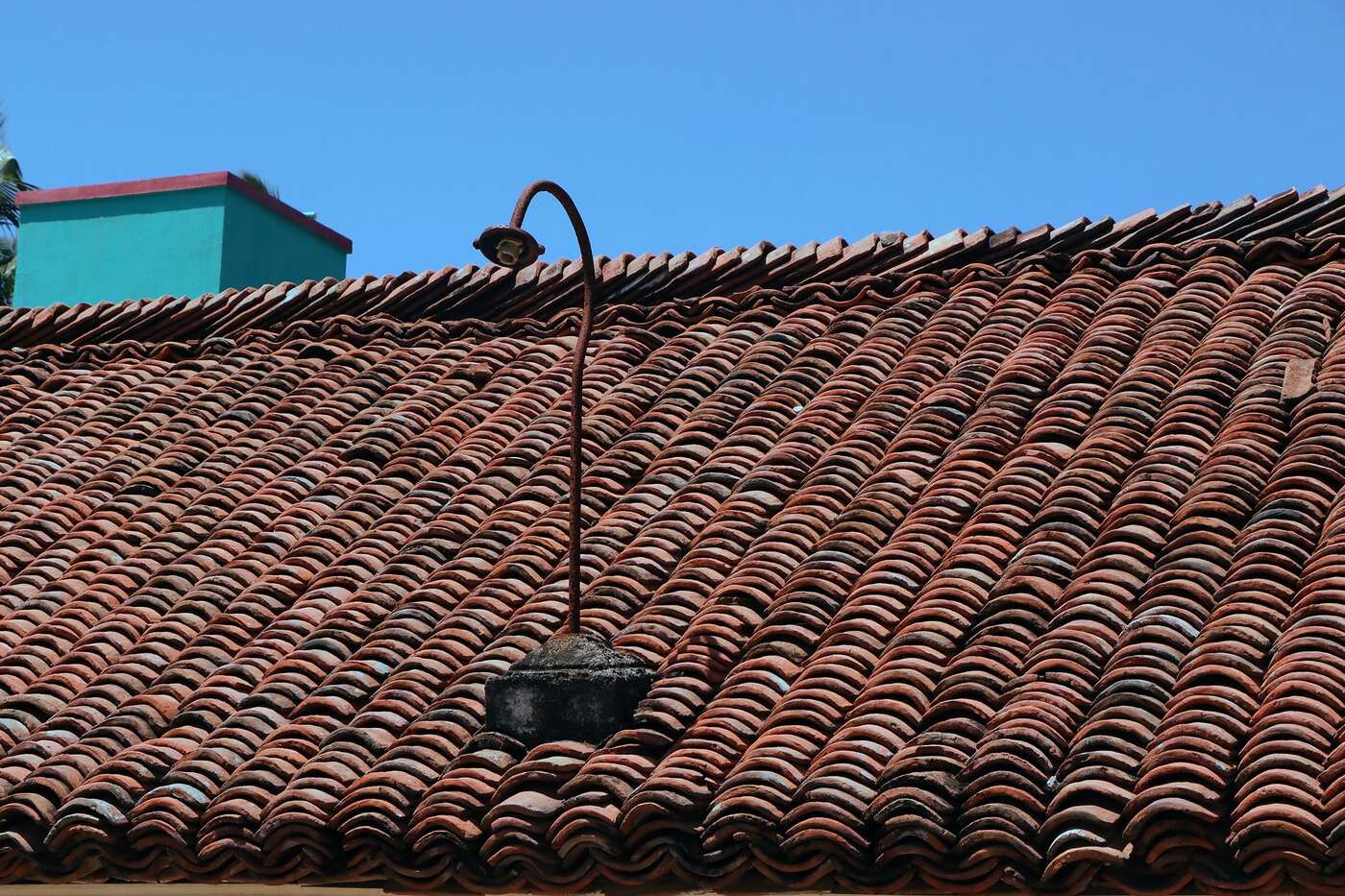
On a Fort Lauderdale house that means the eave first. Barrel tile with a missing bird stop, soffit returns, gable and off-ridge vents, the AC line-set sleeve through the block, and on a canal lot the hedge, sea wall and dock line that bring the animal to the roof. The inspection records each of these, and the quote prices trapping, sealing and cleanup as separate lines so a bundled number never has to be taken on faith.
The about page covers who attends and the license to check. The contact page has the hours and the downtown office address.
The services, grouped by where they sit in the job
Removal comes first, sealing decides whether it holds, and the attic work depends on what the inspection finds once the animals are gone.
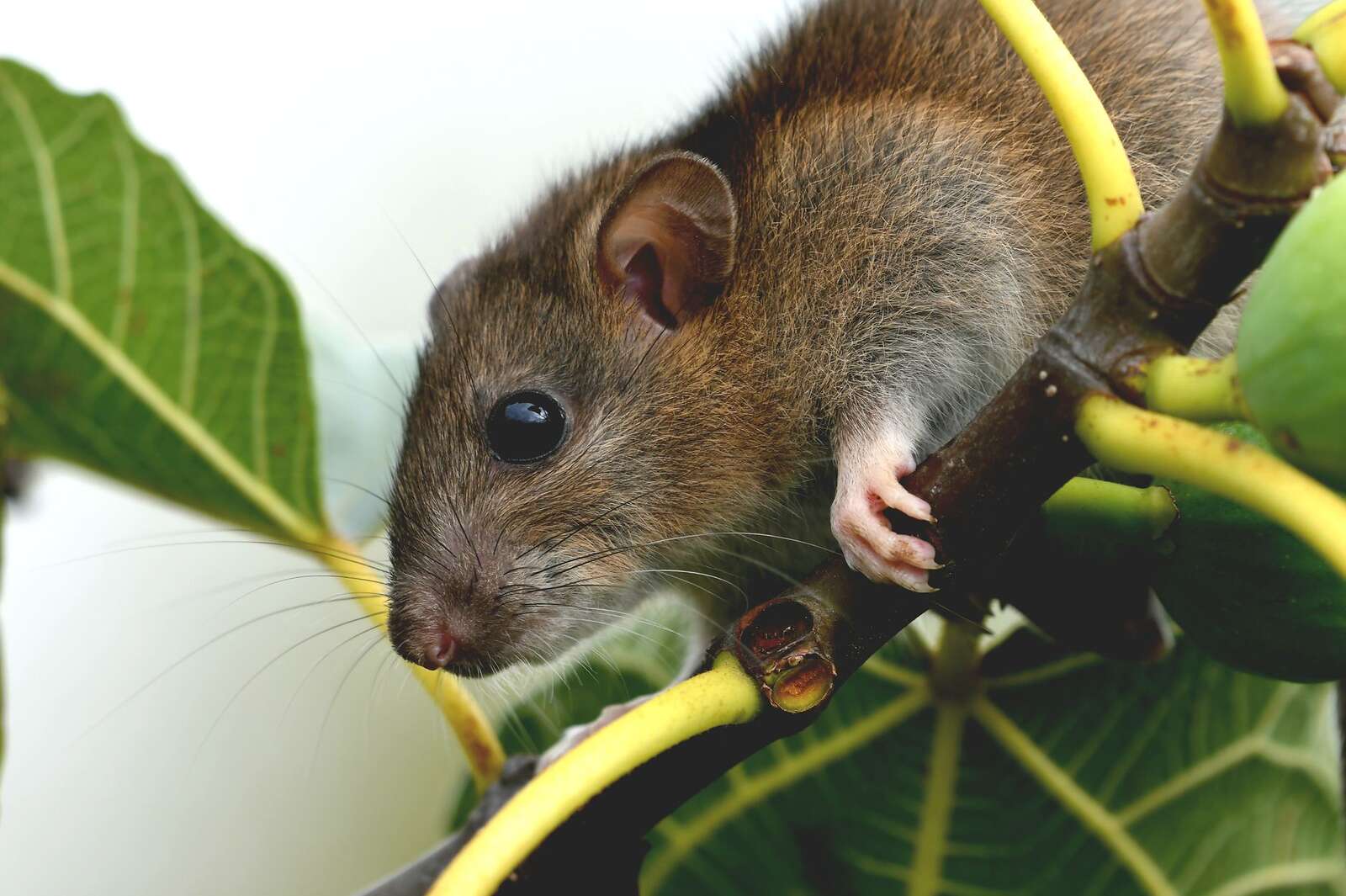
Roof Rat Removal
Trapping out the roof rat that runs the sea walls and rooflines of Broward, sequenced with sealing.
About roof rat removalGetting them out
Trapping and carcass work, for houses and for the commercial blocks along the port and the rail lines.
Closing the house
The sealing, inspection and paperwork that stop the next infestation before it starts.
Putting the attic right
Cleanup and new insulation once the attic is empty and closed.
What is moving inside the walls
How noise in a wall cavity gets traced.
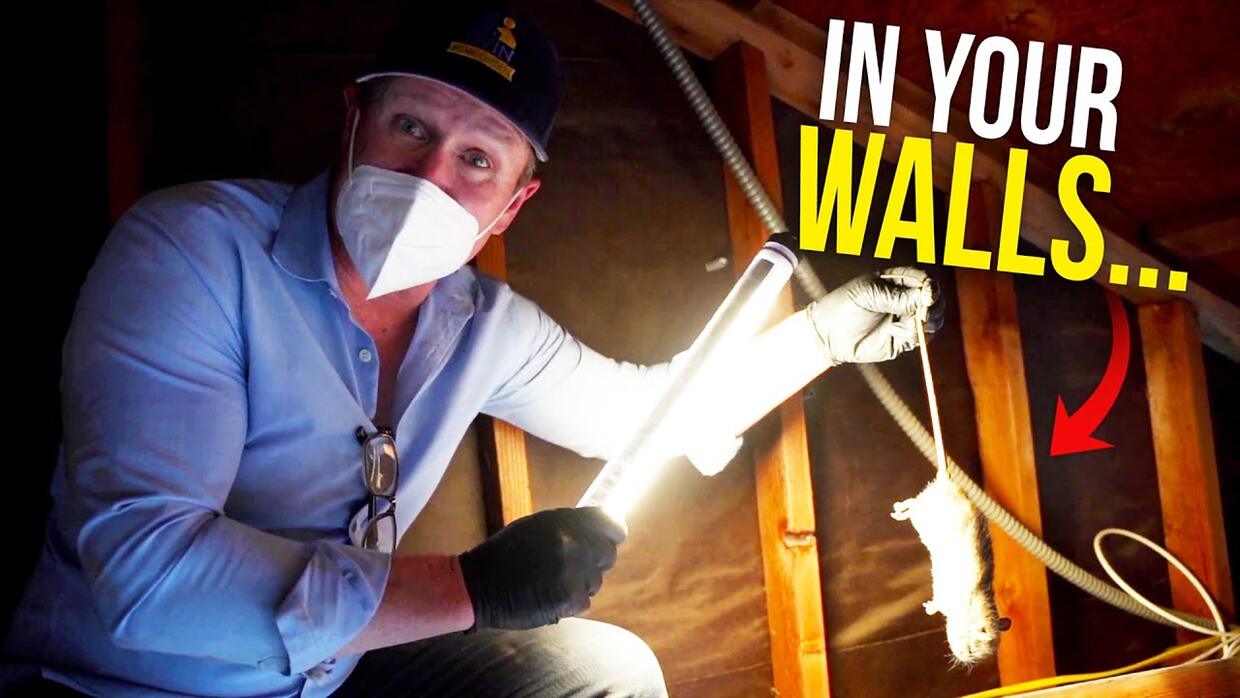
Video: Rodents in your walls? Here's what you do, from Twin Home Experts.
What every service on this list has in common
The order of work and the paperwork are the same whichever page you land on.
One free walk sets the whole order
Every service on this list starts with the same inspection: the roofline from a ladder, the attic with a light, the exterior, and on a canal lot the sea wall and dock line at the rear. The findings say which openings are in use, whether the animal is a roof rat, and whether the attic needs cleanup. That single visit turns nine pages into one itemized quote.
Standalone inspection $0 to $175 nationally, HomeGuide 2026; free here
Every line priced on its own
Trapping, sealing, cleanup and insulation appear as separate lines, with the national band printed on each service page so the quote can be read against it. A plan that folds a monthly contract into the removal price is the recurring warning in homeowner threads, and the reason people there ask whether they are being taken advantage of.
Trapping and removal $250 to $1,200 nationally, HomeGuide 2026
The credential matches the service
Trapping needs at least an FDACS Limited Commercial Wildlife Management certificate; a rodenticide program needs an FDACS pest control business license with a certified operator in General Household Pest and Rodent Control. The contractor dispatched for a service holds what that service requires, and the number can be checked on the FDACS lookup before anyone starts.
FDACS Pest Control Licensing and Certification
Choosing the right service
Which page to read first, by what you are dealing with.
Starting out
I hear noises but have not seen anything. Where do I start?
With the free inspection. It walks the roofline and the attic, identifies the species from droppings and rub marks, checks the sea wall and dock line on a waterfront lot, and lists every opening. That report is what the trapping and sealing quotes are built on, and it is the same visit whichever service turns out to be needed.
Do I need sealing if the traps are catching rats?
Yes, because the traps are catching replacements. UF/IFAS gives a quarter inch as the rat-proofing standard and describes a roof rat ranging about 150 yards from its nest, so an open tile eave keeps the supply coming from well beyond your lot. Exclusion is what gives the trapping an end date.
After the rodents
Does the insulation have to come out?
Only where it is compressed into runs or wet with urine. The Department of Energy states that compressed insulation does not deliver its rated R-value and that wet insulation performs poorly, so the inspection looks for those two conditions and the quote separates cleanup from replacement.
Can I get something in writing for a sale or a condo board?
Yes. The clearance letter page describes a written inspection report with the areas checked, the evidence found or absent, the openings sealed and the contractor's FDACS license number. The letter records the condition of the building on a given date, and the cost is the inspection plus whatever sealing turns out to be needed.
Still have a question? Call (954) 790-6402 and ask.

Not sure which one you need?
Call and describe what you are hearing. Whoever takes the call matches the problem to the right service and sets the free inspection.