Rodent Removal in Hollywood, FL
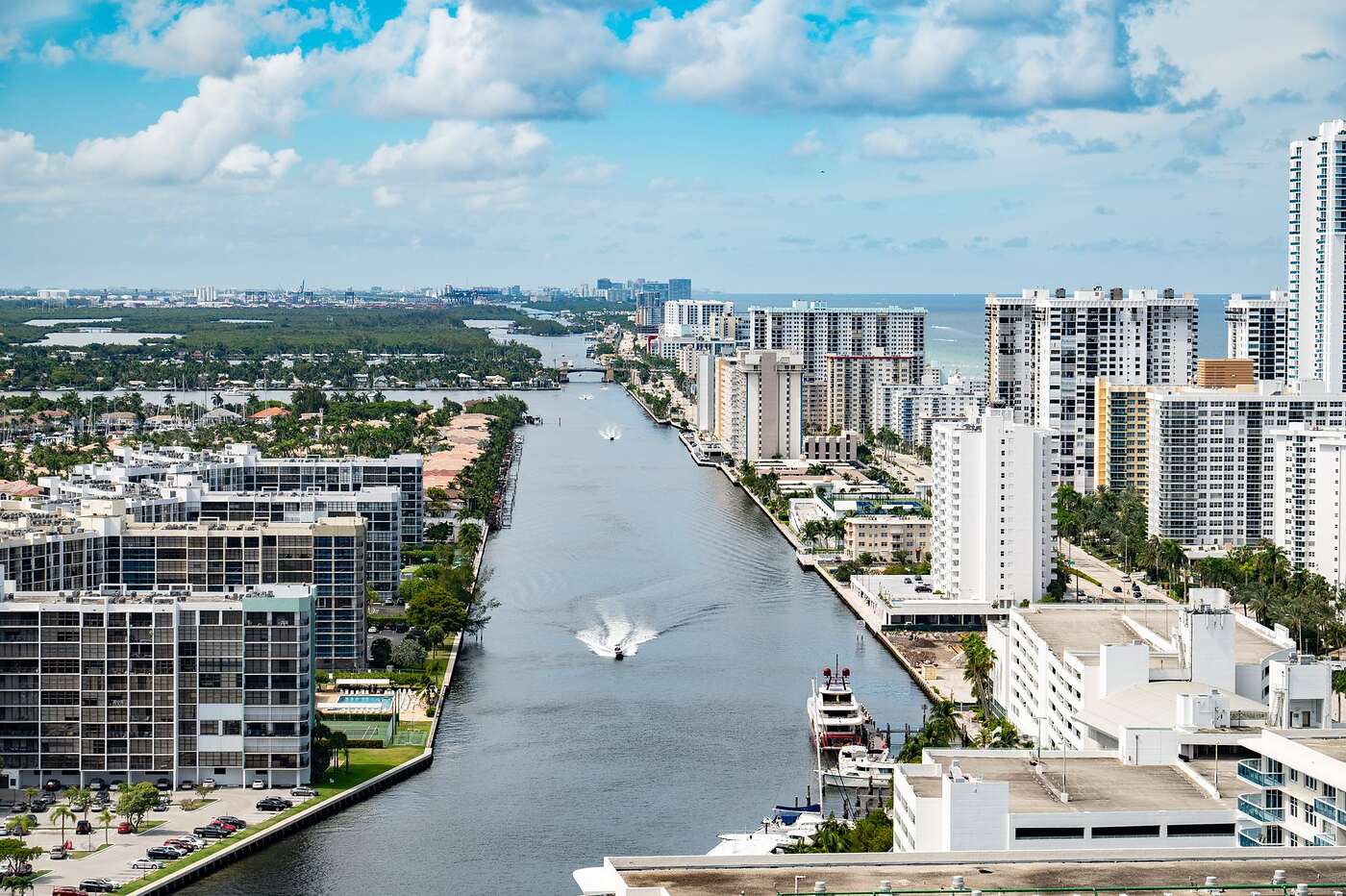
Hollywood runs from the Broadwalk to the Lakes and out along Hollywood Boulevard, and a roof rat has a route into most of it. Every job we route goes to a licensed contractor who seals before trapping.
Free Inspection in Hollywood
The free inspection on a Hollywood house covers the roofline from a ladder, the attic with a light, and the rear of the lot where a sea wall or a hedge line meets the yard. Hollywood sits in Broward County about 10 miles south of downtown Fort Lauderdale, so the same contractor network that works the Fort Lauderdale isles covers the Lakes, the beach and the neighborhoods west of the circles.
The phone is picked up day and night, and the person who answers works out what has happened at the property before anyone is sent. Scratching over a bedroom ceiling at two in the morning is a real problem, and it is treated as one. Book a free inspection and get an itemized quote that separates sealing, trapping and cleanup.
The 1920s Joseph Young plan and the older Lakes homes
Hollywood was laid out in the 1920s by Joseph Young as a planned city, with Hollywood Boulevard running from the ocean west toward the Everglades, three large circles on the boulevard, and a Lakes section dug from marsh between the boulevard and the Intracoastal. The city's own history pages describe the North and South Lakes being created between 1923 and 1925 as yacht basins that open to the waterway. That plan is why the older single-family stock east of the circles sits on water or a block from it.
Houses of that age carry the entry points a roof rat uses. Original wood fascia has shrunk away from the roof deck, soffit screens from the first or second re-roof have rusted through, and where the roof is barrel tile the first course at the eave is often open because the bird stop was left out or has corroded. The bird stop is a code-approved metal eave closure, typically 26 gauge galvanized steel or aluminum, and the Department of Energy lists installing it among its recommended tile-roof measures. A missing one leaves a rat-sized void the length of the eave, and a cheap quote usually means a blob of expanding foam in its place. On a Lakes house the contractor we route measures the eave, the fascia line and the vents against the quarter-inch standard that UF/IFAS gives for rat-proofing, then closes what is open with metal and hardware cloth. The rodent exclusion page covers the material comparison in more detail.
Intracoastal frontage, the Broadwalk and the beach condos
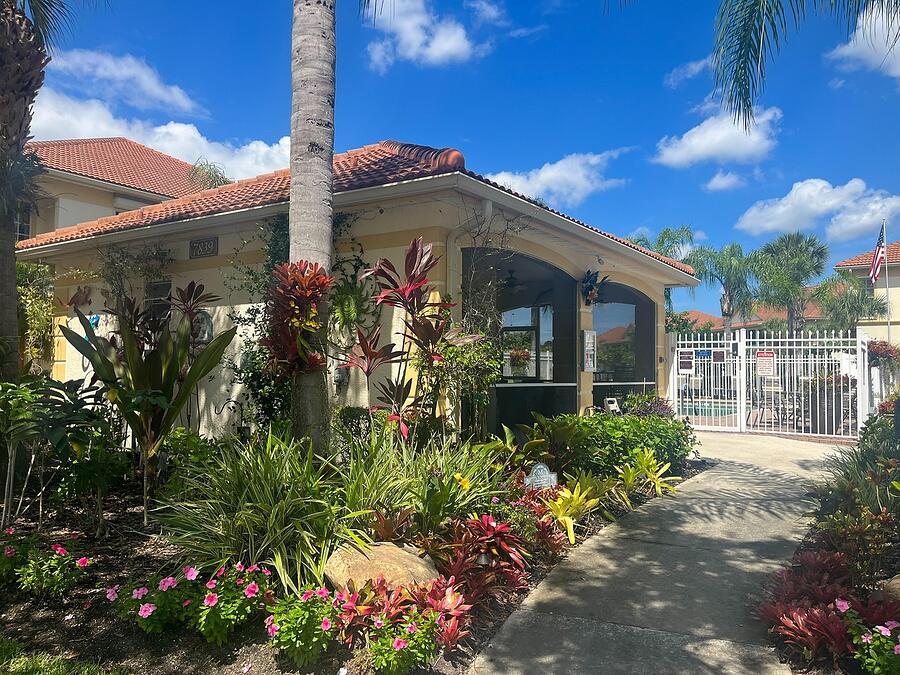
Hollywood has roughly five to six miles of Atlantic beach, with the Intracoastal Waterway running behind it and the Lakes basins opening into it, which puts a large share of the city's homes and buildings on or near water. Water frontage matters for rodents because the sea wall, the dock line and the hedge or mangrove cover along it are a highway that the homeowner rarely walks. Roof rats travel it and climb from a dock piling or a boat lift to a fence and a roof. Norway rats, the heavier ground species, burrow behind sea walls and turn up around dumpster enclosures and marina blocks at grade level.
The beach side of the Intracoastal is condo country. A rodent problem in a tower on Ocean Drive or in a garden-style building on the Lakes is a board-and-manager decision, and the work runs through the association: trash room and loading dock sealing, bait station placement under EPA tamper-resistant rules where rodenticide is used, and unit-by-unit checks where a resident has reported noise. The commercial rodent control page is written for property managers, and the contractor we route can produce a written report for the board.
Wilma, Irma and the April 2023 rain
Hollywood has been hit by Wilma in 2005 and Irma in 2017, and in the April 2023 rain event that flooded southeast Broward the city recorded a little over 18 inches of rain in a day according to National Weather Service totals reported at the time. Storms move rodents in three ways. Wind lifts tile and tears soffit, opening the roofline. Debris piles along the streets become harborage. Floodwater drives rats to high ground, which in a flat coastal city means garages, attics and second floors.
The CDC ties increases in leptospirosis cases to hurricanes and floods, names rodents among the animals that carry it, and recommends rodent control as part of post-flood prevention. The Department of Energy documents storms breaking and displacing roof tiles, with one broken tile cascading into the next. Together those two facts are the case for a post-storm rodent inspection on a Hollywood house once the roof has been looked at, before the first cool night in November makes the attic audible.
What We Handle in Hollywood
Every rodent service on the site is available in Hollywood, and the work is shaped by the Lakes-era houses, the tile eaves and the water at the back of the lot.
- Roof rat removal: the attic and roofline call on a Lakes or Hollywood Hills house, with traps left at least a week because roof rats are wary of new objects.
- Rodent exclusion: closing tile eaves with a proper bird stop, rescreening soffit vents and sealing fascia gaps on 1920s to 1960s stock.
- Rodent inspection: the free walk of the roof, the attic and the sea wall line, with a written list of openings.
- Attic cleanup: removing droppings and soiled insulation from a hot, vented Hollywood attic after the animals are out.
- Dead rodent removal: locating a carcass in a wall or above a ceiling by smell and access, then sealing the route.
- Commercial rodent control: condo associations on the beach, marina property along the Intracoastal, and restaurant blocks on the Broadwalk and the boulevard.
- Post-storm rodent inspection: the roofline check after a hurricane or a flood like April 2023.
A Typical Hollywood Job
The situation: A family in a 1950s house on one of the Lakes streets hears a scamper across the ceiling above the den most nights after eleven. The back of the lot is a sea wall with a dock, a hedge runs the length of the side fence, and a coconut palm leans over the roof at the rear corner. The roof is barrel tile that was last replaced decades ago. One of the parents has started sleeping on the couch to listen for it, and the other has been told by a relative that it is probably nothing.
What gets done: Whoever attends finds droppings a quarter to half an inch long along the top plate over the den, greasy rub marks on the fascia where the palm frond touches, and an eave with no bird stop for most of its length on the water side. The frond is noted for pruning back past six feet. A ventilated metal eave closure goes on the open course, the soffit vent nearest the palm gets quarter-inch hardware cloth, and snap traps go on the run above the den. The quote lists exclusion, trapping and one follow-up on separate lines.
How it turns out: The traps take several adults in the first ten days and the ceiling goes quiet. The follow-up visit finds no fresh droppings, the homeowners get a written list of what was closed and where, and attic insulation replacement is quoted as a separate job for them to decide on later.
What This Costs in Hollywood
Rodent work in Hollywood falls inside the national typical-job bands that HomeGuide published for 2026, and the free inspection produces the actual itemized figure for the house.
| Line item | National band (HomeGuide 2026) |
|---|---|
| Standalone inspection | $0 to $175 (free here) |
| Trapping and removal | $250 to $1,200 |
| Full-home exclusion | $500 to $2,500 |
| Attic cleanup and decontamination | $600 to $2,500 |
| Insulation removal and replacement | $2.50 to $5.50 per square foot |
| Dead rodent removal | $150 to $500 |
| Full-scope restoration | $3,000 to $10,000 and up |
Two things move a Hollywood quote inside those bands. A tile roof on a Lakes house pushes exclusion toward the top, because the whole eave length has to be closed with a metal component. On the other side, the national guides price crawl-space and basement work that a slab-on-grade Broward house does not have, so a Hollywood quote for the same scope can land under the national spread. Ask whether any monthly monitoring plan is folded into the number.
Materials that keep rodents out
A comparison of what actually holds at a gap.
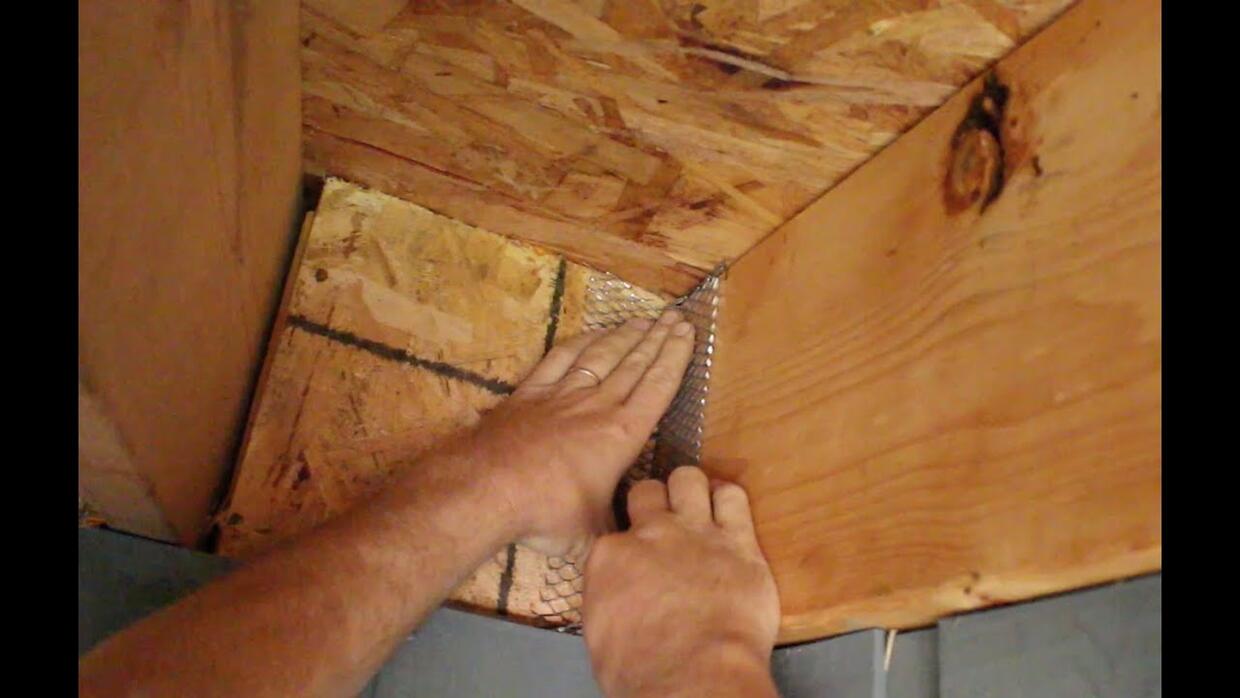
Video: How to keep mice out. Cheaper than hardware cloth, from Ontario Lakeside.
Common Questions in Hollywood
What callers from Hollywood want settled before they book.
Hollywood houses and condos
Do the chew holes have to be fixed now, or is trapping enough for the moment?
Repair them in the same program as the trapping. On a Hollywood house with water at the back of the lot, the sea wall and the dock line supply the next animal, and a chewed soffit return is a marked route with scent on it. Trapping alone is the pattern behind the multi-month stories in homeowner forums. The sealing is what ends the job and the part a warranty can attach to, so ask whoever attends what the exclusion warranty covers, how long it runs and whether it renews.
Who handles rats in a Hollywood beach condo?
The association handles it, through the board and the property manager. A resident who hears noise reports it to management, and the work is scoped for the building: trash rooms, loading areas, parking-level penetrations and the units where activity has been reported. The contractor we route holds the FDACS credential the job needs, and where bait stations are used they follow the EPA tamper-resistant rules for second-generation anticoagulants. A written report goes to the board so the decision is on paper.
Timing and licensing
How long does it usually take to get rid of rats?
Days for a small number of animals once the roofline is closed, and one to two months for a heavy infestation, using HomeGuide's published timelines. Roof rats breed through the year in Broward, with UF/IFAS putting gestation at 21 to 23 days and litters at five to eight, so an attic that has been occupied since the summer rains holds more animals by November. Traps stay in place at least a week because the species avoids new objects. Jobs that drag on are usually the ones where nothing was sealed.
What license should a rodent contractor in Hollywood have?
An FDACS credential. Trapping rats or mice in, on or under a structure for hire in Florida requires at minimum the FDACS Limited Commercial Wildlife Management certificate, and applying rodenticide or running a general pest business requires an FDACS pest control business license with a certified operator in General Household Pest and Rodent Control. FWC does not license rat and mouse trappers. Every contractor we route holds the credential the job needs, and you can look the number up with FDACS before work starts.
Still have a question? Call (954) 790-6402 and ask.
Nearby Areas We Serve
The contractors dispatched to Hollywood cover the neighboring Broward County towns as well, and the whole county is inside the service area.
Book a Free Inspection in Hollywood
Call (954) 790-6402 or use the form to book a free inspection in Hollywood. Someone answers around the clock, and the inspection costs nothing.