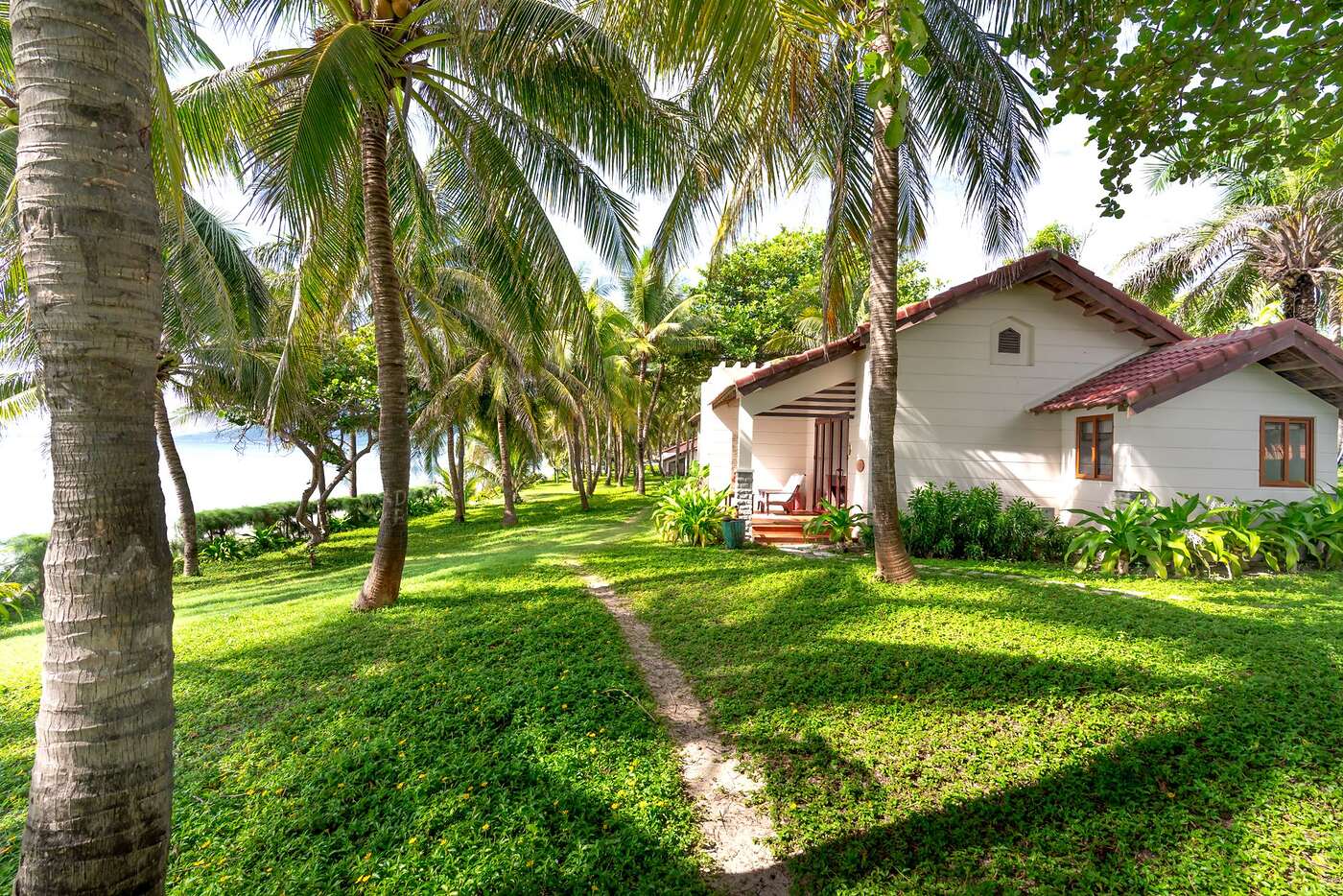
Rodent Removal in Lauderdale-by-the-Sea, FL
Lauderdale-by-the-Sea is a barrier island under a square mile, planted wall to wall in sea grape and palm, and a roof rat can cross it without touching the ground. The call gets a free inspection and a sealed roofline.
Free Inspection in Lauderdale-by-the-Sea
The free inspection on a Lauderdale-by-the-Sea property is mostly about what is touching the roof. On a lot that small, the sea grape, the coconut palms and the neighbor's hedge are all within a few feet of the eave, so the contractor starts with the canopy and the fence lines, then checks the roofline for open soffit returns, chewed vent screens, corroded eave closures on tile and salt-eaten fascia, and finishes in the attic or the ceiling void reading droppings and rub marks. On the Intracoastal side the dock and sea wall get walked as well. You get written findings and a quote with exclusion, trapping and cleanup on separate lines.
The town is in Broward County, a short drive up A1A from Fort Lauderdale beach and a few miles from downtown by way of Commercial Boulevard. Someone answers the phone around the clock, including the night the noise over the bedroom stops sounding like the wind. Book a free inspection; licensed contractors handle every job we route.
Small lots, sea grape and the canopy problem
Dense planting on small lots is the reason roof rats move through Lauderdale-by-the-Sea so easily. The whole town covers less than a square mile of barrier island, the lots off Commercial Boulevard and along the side streets are narrow, and the planting is what the beach demands: sea grape hedges grown thick for wind and salt, coconut and sabal palms, seagrape and buttonwood along the dune, and a bougainvillea or a ficus hedge on almost every fence line. UF/IFAS describes the roof rat as arboreal, at home on branches, wires and palm trunks, and a hedge that runs from one roof edge to the next is a highway between attics.
A limb or frond within about six feet of a roofline is a route, and on these lots six feet of clearance is often the width of the side yard. The dead frond skirt on an untrimmed coconut palm is also a nest site in its own right. Exclusion on an island lot therefore starts with the pruning list, then the sealing. A roof rat ranges about 150 yards from its den according to UF/IFAS, which on a town this size means a nest two streets away is in range of your roof. Rodent exclusion for a Lauderdale-by-the-Sea house is written around that canopy.
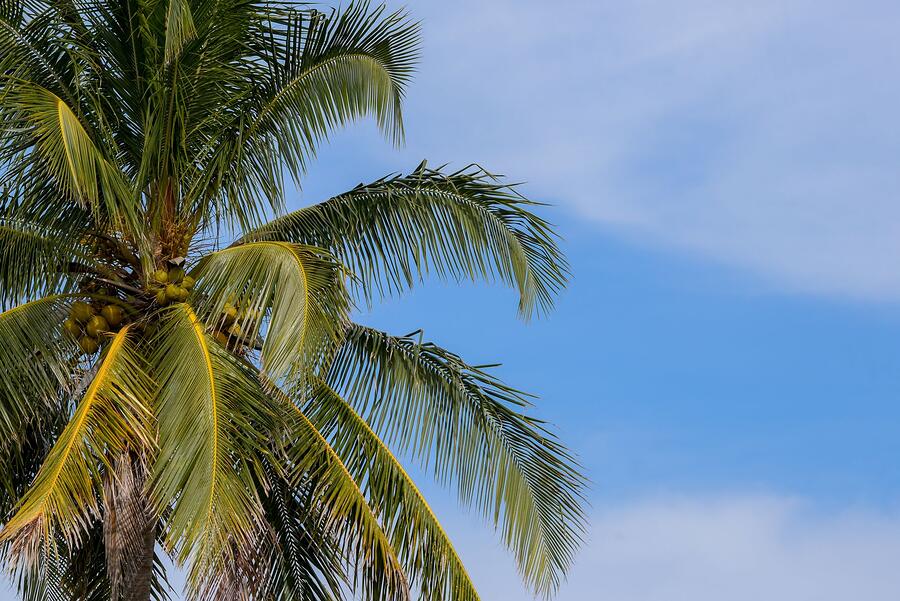
Low-rise cottages, older motels and salt air at the roofline
The town's charter has held new building to three or four stories since the early 1970s, so the stock is low-rise and much of it is old: beach cottages and small block houses from the postwar years, and a strip of mid-century motels and small apartment buildings along El Mar Drive and the blocks around Anglin's pier at the foot of Commercial Boulevard. Low roofs put the eave within a hedge's reach, and old roofs carry old openings. Salt air adds a problem the inland towns do not have: it eats galvanized metal. Vent screens, soffit fasteners and the bird stop under the first course of a tile roof corrode faster within sight of the ocean, and a corroded eave closure leaves a void the length of the eave that the Department of Energy's tile-roof guidance expects to be closed.
Flat and low-slope roofs on the motels and small apartment buildings have their own list: parapet cap gaps, roof drain penetrations, rooftop equipment curbs and the fascia behind a gutter. A rat in a motel unit's ceiling is in a shared void, so the work runs the length of the building and the owner or manager is the one making the call. Commercial rodent control covers small lodging and apartment buildings, and a rodent inspection with a written report is the starting point for any of them.
The Intracoastal side and the dock line
The west edge of Lauderdale-by-the-Sea is the Intracoastal Waterway, and the houses along it have the same rear-of-lot exposure as a Fort Lauderdale canal house: a sea wall, a dock, often a lift, and a hedge or mangrove edge running the property line to the water. A roof rat uses the sea wall cap and the dock line as a runway; a Norway rat burrows behind the sea wall and under the decking, and the Norway rat is the one that turns up at ground level around boat storage and trash enclosures. The inspection walks that edge because the homeowner rarely does.
Storm exposure on a barrier island is about wind and surge more than rain. After Wilma in 2005 and Irma in 2017 the pattern across Broward County was lifted tile, torn soffits, debris piles and animals pushed to high ground, and the Department of Energy documents one broken tile cascading into its neighbors. After hurricanes and floods the CDC has recorded rises in leptospirosis, lists rodents among the animals that carry it, and advises rodent control as part of flood recovery. A post-storm rodent inspection in the week after a storm catches the openings while they are fresh.
What We Handle in Lauderdale-by-the-Sea
Lauderdale-by-the-Sea calls are roof rats in cottage attics and motel ceiling voids first, with Norway rats along the Intracoastal sea walls second, and these are the services routed for them.
- Roof rat removal: trapping in a beach cottage attic once the eave and the sea grape are dealt with
- Rodent exclusion: corrosion-resistant eave closures, vent screens and soffit repair for salt air, plus the pruning list
- Rodent inspection: free, canopy first, then roofline, attic and dock
- Attic cleanup: droppings and soiled insulation in a low cottage attic
- Dead rodent removal: odor in a motel ceiling void or a cottage wall
- Commercial rodent control: motels, small apartment buildings and restaurants along Commercial Boulevard
A Typical Lauderdale-by-the-Sea Job
The situation: The owner of a two-story mid-century motel a block off the beach gets complaints from the same end unit three weeks running: scratching in the ceiling after midnight and a smell near the bathroom vent. A row of coconut palms lines the parking side of the building with fronds resting on the roof edge, and the sea grape hedge along the property line has grown up to the second-floor eave. A previous service put bait stations at the base of the walls and nothing changed.
What gets done: Whoever attends finds a chewed vent screen at the roof edge above the complaining unit, rust holes through the fascia flashing on the ocean side and dropping runs in the ceiling void over four rooms. The fronds and the hedge go on a pruning list for the owner's landscaper. The flashing and vent get closed with aluminum and quarter-inch hardware cloth chosen for salt air, the roof drain penetrations get collars, and snap traps go in the void on the marked runs and stay a week. The quote separates sealing, trapping, a return visit and removal of the dead animal behind the bathroom wall.
How it turns out: The dead animal is located and removed the same visit, the traps take several adults in the first week and go quiet, and the return visit finds no new droppings. The owner gets a written list of what was sealed and a note on which planting has to stay clear of the roof, and the end unit goes back into rental.
What This Costs in Lauderdale-by-the-Sea
A Lauderdale-by-the-Sea rodent job is priced from national typical-job bands and confirmed as an itemized quote at the free inspection. HomeGuide's 2026 figures are national; no cost survey exists for the town or for Broward County, and the numbers below are labeled accordingly.
| Work | HomeGuide 2026 national range |
|---|---|
| Inspection alone | $0 to $175 elsewhere; free here |
| Trapping and taking animals out | Between $250 and $1,200 |
| Exclusion for the whole building | Between $500 and $2,500 |
| Cleaning and decontaminating an attic | Between $600 and $2,500 |
| Replacing insulation | $2.50 to $5.50 a square foot |
| Locating and removing a dead rodent | Between $150 and $500 |
| Full restoration | $3,000 to $10,000 and higher |
What pushes a Lauderdale-by-the-Sea quote up the band is the material: salt air calls for aluminum or stainless closures rather than plain galvanized, and a motel or apartment roofline is long. What pulls it down is the size of the buildings and the absence of crawl spaces and basements, which the national guides price and which a slab cottage on the island does not have. Pruning is usually the owner's landscaper and a separate cost.
The route in from the sewer line
How a rat travels a drain into a house.
Video: How do rats get out of the sewers and into your home?, from BEEKIND Pest Control.
Common Questions in Lauderdale-by-the-Sea
What callers from Lauderdale-by-the-Sea want settled before they book.
Living on the island
Can rats get to my roof from the neighbor's sea grape?
Yes, and on a Lauderdale-by-the-Sea lot that is the most common route. A sea grape hedge grown to eave height is a bridge, and UF/IFAS describes the roof rat as an arboreal animal that moves along branches, wires and palm trunks by preference. Clearance of about six feet between any limb or frond and the roof edge removes the bridge, which on a narrow island lot often means a conversation with the neighbor. Sealing the roofline is what makes the pruning stick, because the next hedge to grow back finds a closed house.
Why does the metal on my roof keep rusting out?
Salt air corrodes galvanized steel faster than anything inland sees, and the pieces that fail first are the ones rodents use: vent screens, the fasteners holding soffit panels and the bird stop under the first tile course. The Department of Energy's tile-roof guidance lists bird stopping as a recommended measure, and on the island it needs to be aluminum or a corrosion-resistant grade to last. When exclusion is quoted for a house within sight of the ocean, ask what metal is being used and why.
Getting it fixed
Can I trap first and repair the chewed openings later?
Repair them now, in the same program as the trapping. A chewed vent screen carries the animal's scent along a marked route, and on an island where a roof rat ranges roughly 150 yards from its den per UF/IFAS, the next one from two streets over finds the hole within weeks. Trapping with nothing sealed is the pattern behind the multi-month timelines homeowners describe online. The sealing is the part that ends the problem and the part a warranty can attach to, so ask about warranty terms before work starts.
Who is licensed to do this work in Lauderdale-by-the-Sea?
Anyone trapping rats or mice in, on or under a structure for hire in Broward County needs at minimum an FDACS Limited Commercial Wildlife Management certificate, and anyone applying rodenticide needs an FDACS pest control business license with a certified operator in General Household Pest and Rodent Control. FWC does not license rat and mouse trappers. Every contractor we route holds the FDACS credential the job calls for, and the license number can be checked with FDACS before the ladder goes up. Ask for it alongside the itemized quote.
Still have a question? Call (954) 790-6402 and ask.
Nearby Areas We Serve
The contractors dispatched to Lauderdale-by-the-Sea cover the neighboring Broward County towns as well, and the whole county is inside the service area.
Book a Free Inspection in Lauderdale-by-the-Sea
Call (954) 790-6402 or send the form, at any hour. The inspection of your Lauderdale-by-the-Sea cottage, house or motel is free and the findings come in writing.