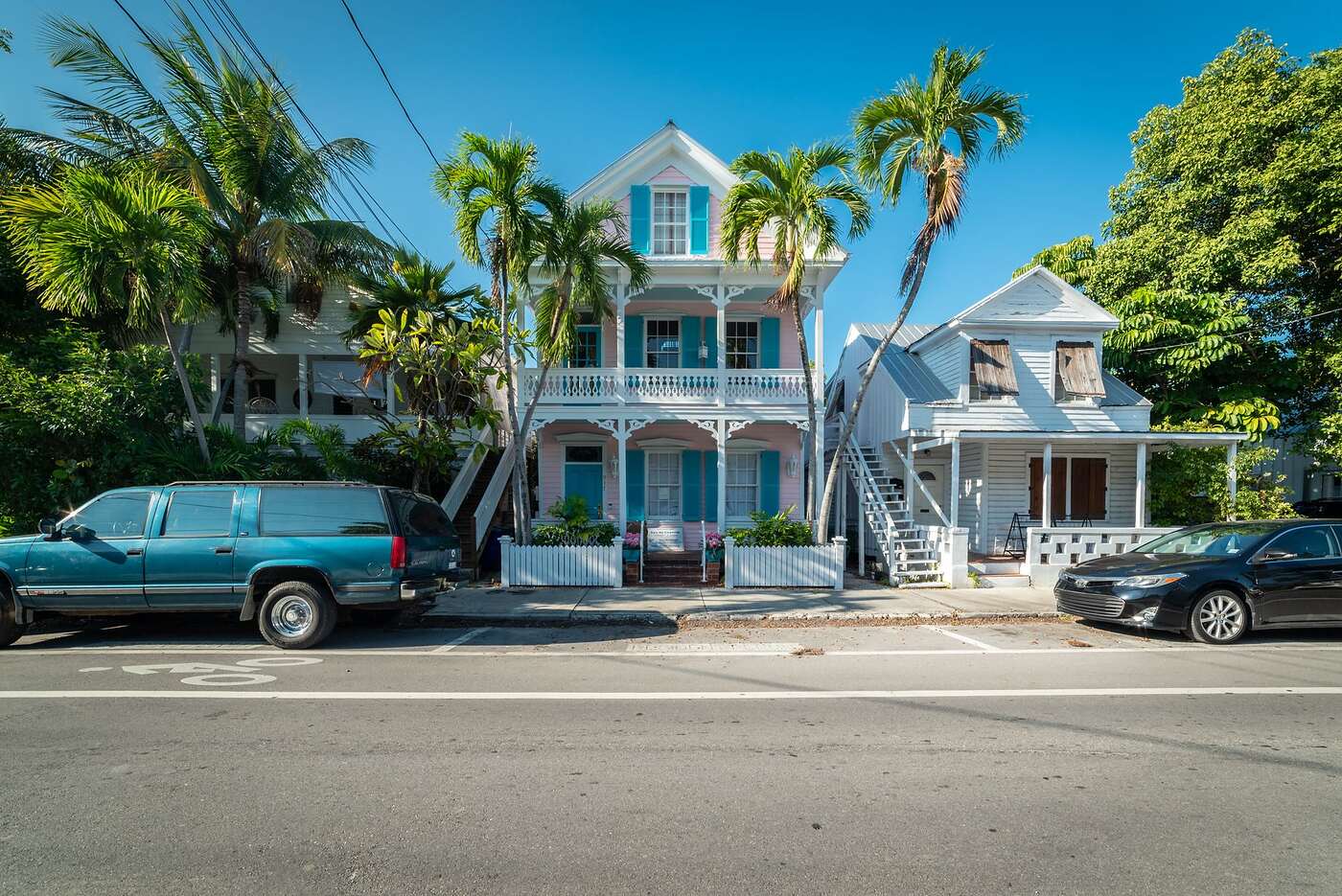
Rodent Removal in Victoria Park
Victoria Park carries a large share of Fort Lauderdale's historic homes, and a century of fascia, soffit screen and tile is where roof rats get in. Licensed contractors handle every job we route.
Why Victoria Park houses draw roof rats
Victoria Park is old by Fort Lauderdale standards, and age at the roofline is the reason it produces rodent calls. The neighborhood sits east of downtown and north of Las Olas, bounded by NE 10th Street, the Karen Canal, Broward Boulevard and Federal Highway, and it was platted in the 1920s. The city's own architectural survey of the area found a potential historic district along NE 17th Avenue with significance dating from 1924 through 1937, plus dozens more buildings documented as potential landmarks across the neighborhood.
A house that has stood since the boom years has had its fascia boards baking in South Florida sun for decades. Wood shrinks back from the roof deck and opens a slot along the eave. Soffit screens fitted when the house was built, or during a mid-century update, have rusted or torn, and a torn screen is an open door for an animal UF/IFAS calls the worst rodent pest in the state. Original tile courses have lost bird stops to corrosion. None of these openings looks like damage from the street.
A quarter inch is the number the contractor we route works to, because UF/IFAS sets that as the rat-proofing standard. On a 1920s frame house the openings are often far larger than that and far more numerous than on a block house built in 1975.
The canopy over the roof
Mature trees are the second half of the Victoria Park problem, because roof rats climb and the neighborhood has a century of growth to climb. Oaks, black olives, mahoganies and old palms lean over roofs on nearly every street, and a limb or a frond within about six feet of the eave is a bridge.
UF/IFAS describes the roof rat as an arboreal animal that travels along branches, wires and palm trunks, and one that ranges roughly 150 yards from where it nests. On a Victoria Park block that radius takes in a dozen backyards. A mango or avocado two houses over feeds an animal that sleeps in your attic, and the coconut palm along the side yard is its stairway. Pruning the canopy back off the roof is part of every plan here, and it is the one thing a homeowner can do before anyone arrives.
- Limbs resting on or hanging over the roof slope
- Palm skirts of dead fronds against the eave, which are both a nest and a ladder
- Fruit left on the ground under mango, avocado, citrus or sapodilla trees
- Service drops and cable lines that run from a pole straight to the fascia
Sealing a historic house without wrecking it
Exclusion on a Victoria Park house has to respect the building, and the materials that hold up are also the ones that look right. Galvanized hardware cloth at quarter-inch mesh tucked behind a soffit return, sheet-metal flashing painted to match the fascia, and a proper metal bird stop under the first tile course can all be fitted without changing what the house looks like from the sidewalk. A ridge of expanding foam along an eave cannot, and a rat chews through it anyway.
Some Victoria Park houses hold individual Historic Landmark designations, and any work that changes exterior appearance on a designated property can involve the city's historic preservation process. Ask whoever attends how the sealing will look once finished, and ask for the list of what was closed and where. The rodent exclusion page compares materials in detail; roof rat removal covers the trapping that runs alongside the sealing. Attics in these houses are often low and tight, and once the animals are out a cleanup is quoted as its own line. Questions before booking go through the contact page.
What a Victoria Park eave inspection looks for
The inspection on a Victoria Park house starts at the eave from a ladder and works around the whole roofline before anyone enters the attic. Fascia pulled back from the deck, soffit screen with a hole the size of a thumb, a gap where an aluminum soffit panel meets a wooden one, tile courses with no closure, and a rub mark, dark and greasy, at the spot the animals use every night. The attic visit then matches dropping runs to the openings found outside, so the sealing list and the trap placement agree.
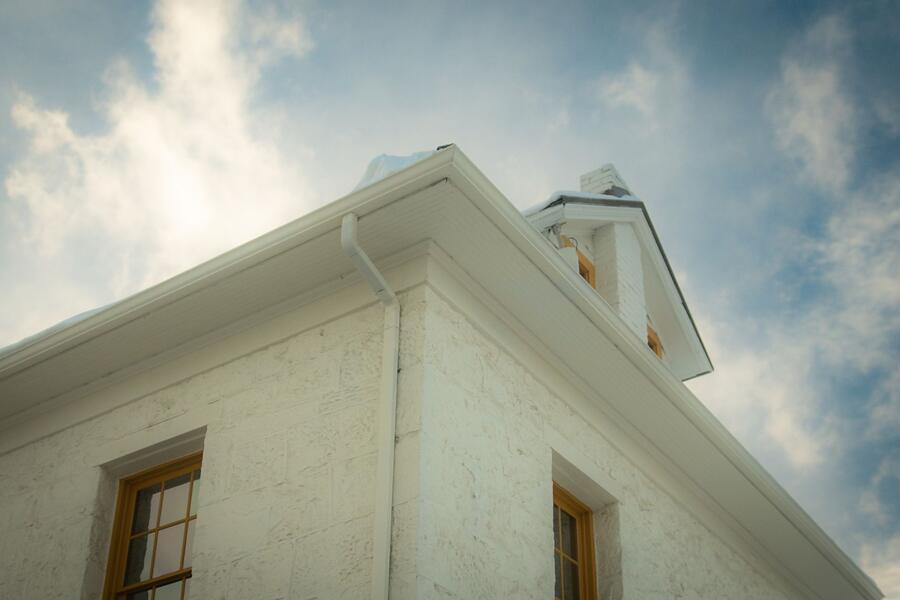
Materials that keep rodents out
A comparison of what actually holds at a gap.
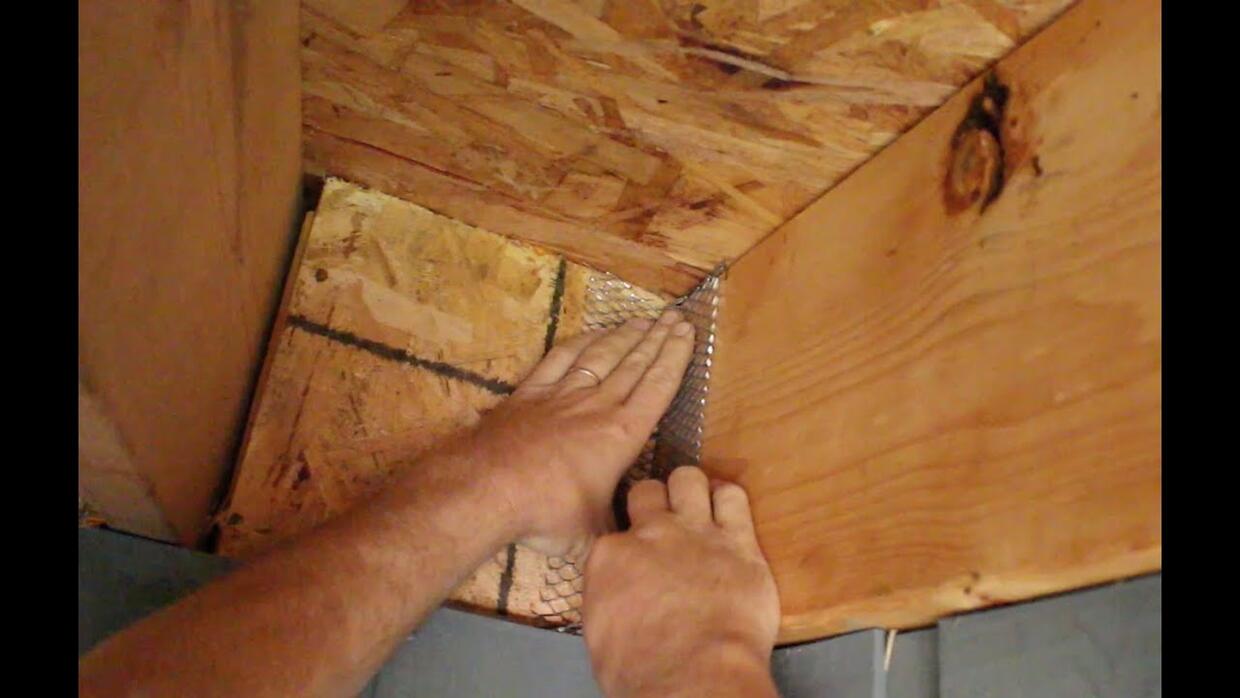
Video: How to keep mice out. Cheaper than hardware cloth, from Ontario Lakeside.
Why Victoria Park homeowners call this line
Old houses under old trees need a contractor who seals first, quotes in lines and holds the state credential.
The roofline is closed before the traps go quiet
On a 1920s house the entry points are the story, so the contractor we route walks the eave, the soffits and the tile before setting a single trap. Every opening at or above a quarter inch is closed with galvanized mesh, sheet metal or a metal eave closure, then the trapping runs inside a sealed attic. Trapping into an open house is the mistake homeowner forums complain about most, and it is the reason a Victoria Park job can drag for months when the sealing is skipped.
UF/IFAS: a quarter-inch opening is the rat-proofing standard
A free inspection and a quote split into lines
The inspection costs nothing, and the quote that follows separates exclusion, trapping, cleanup and any return visits so you can compare it with another bid. National cost guides put a standalone rodent inspection at as much as $175, and the guides also price crawl-space and basement work that a slab-built Fort Lauderdale house does not have. A tile eave pushes the sealing figure up, because the whole length has to be closed; a shingle roof pulls it down.
HomeGuide 2026: standalone rodent inspection $0 to $175 nationally
FDACS credential, checkable before the ladder goes up
Trapping rats in or on a structure for hire in Florida takes at minimum an FDACS Limited Commercial Wildlife Management certificate, and any rodenticide use takes a pest control business license with a certified operator. Every contractor we route holds the credential the job calls for. Look the license number up with FDACS before work starts; the answer takes two minutes and settles the question of who is allowed on your roof.
FDACS Limited Commercial Wildlife Management certificate, verifiable in the state lookup
A common Victoria Park call: the 1926 bungalow under the oak
The situation: A homeowner in a frame bungalow off NE 17th Avenue hears something run the length of the ceiling every night around one in the morning through a stretch of cool weather in January. A neighbor says it is the wind in the oak. The oak's lower limb lies on the back slope of the roof, and the original wood soffit has a screened vent at each end that has not been touched in decades. Two weeks of broken sleep later she books the inspection.
What gets done: Whoever attends finds one soffit screen rusted through at the corner nearest the oak, a half-inch slot where the fascia has shrunk back from the deck along the rear eave, and droppings a quarter to half inch long, pointed at both ends, along a joist above the bedroom. The screen is replaced with galvanized hardware cloth, the fascia gap is flashed with painted sheet metal, the limb is noted for pruning, and snap traps go on the dropping run and stay at least a week because roof rats are wary of anything new.
How it turns out: The traps take three adults in the first week and then nothing. A return visit finds no fresh droppings and no new chewing, the homeowner has a written list of the two openings that were closed, and the limb comes off the roof the following weekend. The bungalow looks exactly as it did from the street.
Victoria Park rodent questions
What owners of older houses east of downtown ask before booking.
Old houses
Can a 1920s house even be sealed against rats?
Yes, and the sealing is more thorough on an old house because there are more openings to find. Frame construction, wood soffits, original vent screens and aged tile each carry their own gap types, and the contractor we route lists every one at or above a quarter inch. The materials are galvanized hardware cloth, sheet metal and metal eave closures, fitted so the exterior reads as it did before. Foam and steel wool alone are a sign of a quote to walk away from. Ask for the list of what was closed and where.
Will sealing a historic landmark home need city approval?
It can, if the house holds an individual Historic Landmark designation and the work changes the visible exterior. Most rodent exclusion is hidden behind a soffit, under a tile course or in a painted flashing and changes nothing anyone can see from the sidewalk. Raise the designation with whoever attends before the work is scheduled, and ask the city's historic preservation office if you are unsure whether your address carries one. The inspection and the trapping inside the attic are unaffected either way.
Trees and timing
Do I have to cut down the tree over my roof?
No. The limb needs to come back off the roof so nothing rests within about six feet of the eave, and that is a pruning job. Roof rats travel branches and palm trunks, so the canopy is the route and the roofline is the door. Sealing the door is what ends the problem; pruning makes it far less likely to be tested again. Palm skirts of dead fronds against the eave should come down as well, since they hold nests. Fruit on the ground under a mango or avocado is food for the same animals and is worth collecting.
Why do I only hear them in winter?
You hear them in winter because the cool snaps from November into February push activity into the attic and quiet nights make it audible, while the animals were likely there through the summer. Roof rats breed year-round in Fort Lauderdale, according to UF/IFAS, with litters of five to eight and four or five litters a year, so a single pair that arrived during the June rains is a family by January. Booking the inspection at the first night of noise keeps the trapping short.
Still have a question? Call (954) 790-6402 and ask.

Book a free inspection in Victoria Park
Call (954) 790-6402 or send the form. The line is answered at any hour and the inspection costs nothing.