Rodent Removal in Coral Springs, FL
Coral Springs was master-planned in the 1960s and built out in the decades after, so most of its roofs are now old enough to have opened at the eave. The call gets a free roofline and attic inspection from an FDACS-licensed contractor.
Free Inspection in Coral Springs
The free inspection in Coral Springs covers the roofline from a ladder, the attic with a light, and the rear of the lot where a canal bank, a lake edge or a hedge line gives a roof rat cover on the way to the house. Whoever attends measures every opening against the quarter-inch standard that UF/IFAS gives for rat-proofing, writes down the dropping runs and the chewed spots, and leaves an itemized quote with exclusion, trapping and any cleanup on separate lines.
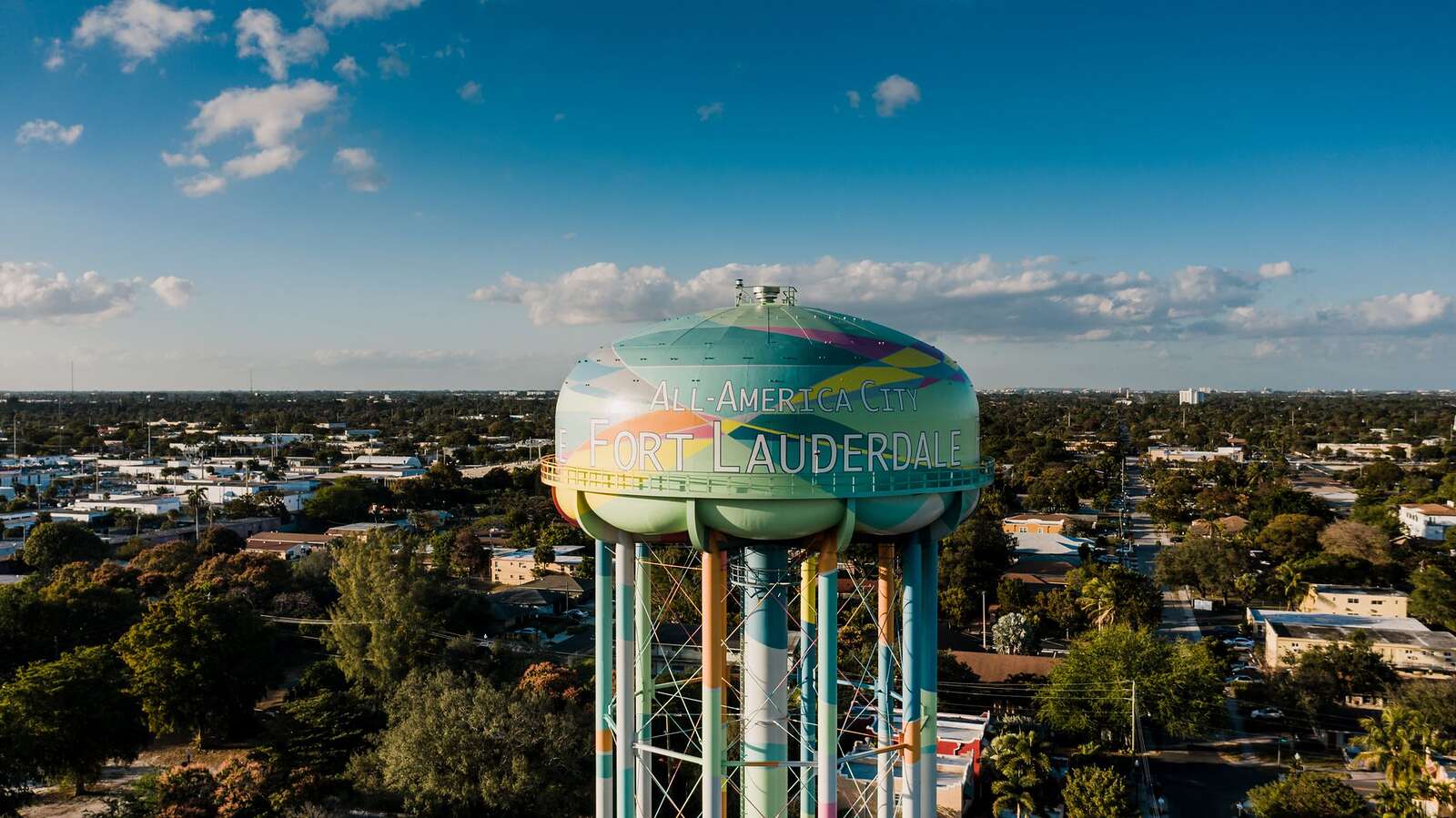
Coral Springs sits in northwest Broward County, roughly 20 miles from downtown Fort Lauderdale, with the Sawgrass Expressway along its northern and western edges and the Everglades beyond it. The phone is answered at any hour, and the noise over a bedroom ceiling usually starts after dark, so calling when you hear it is fine. Use the contact page to book, or call (954) 790-6402 and describe what you heard and where.
A planned city whose subdivisions are now 30 to 50 years old
Coral Springs was chartered in 1963 and master-planned by a single developer, and most of its housing went up in the 1970s, 1980s and 1990s, which puts the bulk of the city's roofs, soffits and fascia boards at an age where the original components have started to fail. The city is known for strict codes on signs, exterior paint, roofing materials and landscaping, and the site plan review it runs covers roof pitch, roof tile and color scheme. That keeps the streets uniform. It does nothing about the gap under the first course of tile.
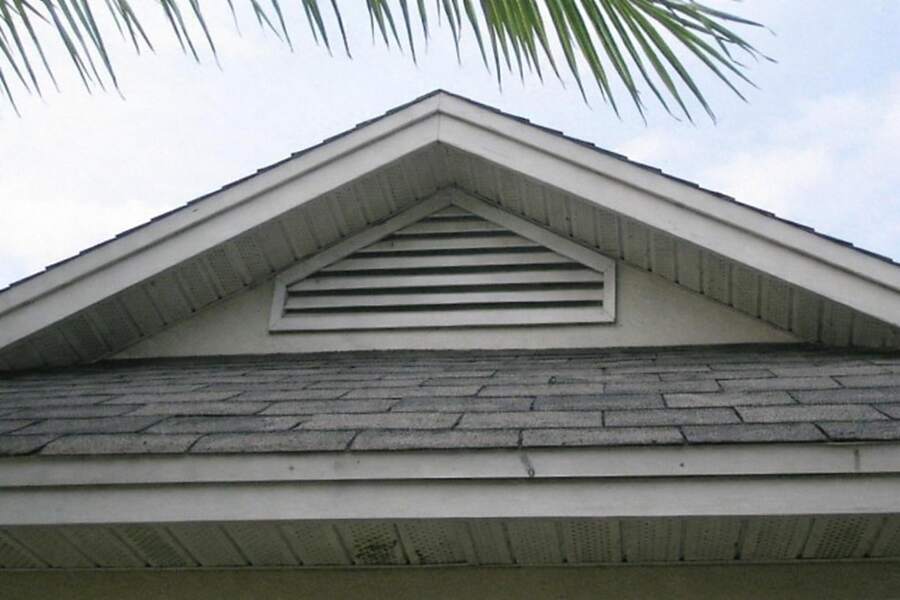
The tile eave is the point to understand on a Coral Springs house. The open end of the first tile course is meant to be closed by a bird stop, a named metal component, usually 26 gauge galvanized steel or aluminum, sometimes ventilated, and the Department of Energy lists installing bird stopping among the measures it recommends for tile roofs. On a roof from the 1980s the original closure may be corroded, displaced or missing along part of the eave, and a rat needs a half-inch void to get through. Where a previous owner or a cheap quote filled that void with expanding foam, the foam is chewed through and the roof is open again. Uniform subdivisions have another feature that matters: the same builder used the same soffit vents, the same gable screens and the same fascia detail on hundreds of houses, so a weakness found on one house is worth checking on every neighbor's.
Canals, lakes and the Everglades edge
Coral Springs was drained by canals and levees before it was built, and the canal and lake frontage that resulted is the side of the property a roof rat uses and a homeowner rarely inspects. Canal banks carry hedge cover, seawall caps, dock lines and irrigation pipes, and a roof rat, which UF/IFAS describes as arboreal and willing to travel along branches, wires and palm trunks, works its way from that cover to the roof by the nearest limb or frond. The animal ranges around 150 yards from the den, so a lake lot three doors down supplies the harborage even when your own yard is clear.
The western subdivisions back onto the Sawgrass Expressway and the conservation land beyond it. That edge is open ground and sawgrass, and the roof rat is a structure and tree animal, so the Everglades itself is a weak source of attic rats. What the west side does have is a long run of mature landscaping planted at build-out: queen palms, sabal palms, black olive and ficus, plus the mango and avocado trees that Broward yards collect. Limbs and fronds within about six feet of the roofline are the route, and pruning them back is part of every exclusion plan the contractor we route puts on paper.
Wilma passed over Coral Springs, and the roofs remember it
The eye of Hurricane Wilma passed directly over Coral Springs in October 2005, the most powerful storm to hit the city since incorporation, and Irma in 2017 hit Broward County again, so a share of the city's tile roofs have been through at least one repair cycle. The Department of Energy documents wind breaking and displacing roof tiles, with one broken tile cascading into others, and a roof that was patched after a storm is a roof where the eave closure and the ridge ends may have been reset badly or skipped. The heavy summer and hurricane-season rain from June to November pushes rodents indoors in any year, storm or no storm.
After a storm the reasoning is mechanical: wind lifts tiles and tears soffit panels, debris piles in the yard become harborage, and standing water drives rats to high ground, which in a one-story Coral Springs house means the attic. The CDC ties leptospirosis case increases to hurricanes and floods, names rodents among the animals that carry it, and recommends rodent control as post-flood prevention. A post-storm rodent inspection is a separate service for that window; the ordinary free inspection covers the same ground the rest of the year.
What We Handle in Coral Springs
The work routed in Coral Springs runs from finding the animal to closing the house and cleaning up after it, with each part quoted on its own line.
- Roof rat removal: the species in almost every Coral Springs attic call, trapped in the attic after the roofline is closed.
- Rodent exclusion: tile eave closures, soffit rescreening, gable vent screens and utility penetrations on 1970s to 1990s houses, measured to a quarter inch.
- Rodent inspection: the free roofline, attic and rear-lot check, with written findings.
- Attic cleanup: droppings and urine removed from blown-in insulation in a hot, vented attic.
- Attic insulation replacement: for an attic where decades of insulation has been compressed and soiled into a runway.
- Dead rodent removal: the odor in a wall after a bait-only plan.
- Commercial rodent control: shopping plazas and office parks along University Drive and Sample Road, where the dumpster enclosure is the Norway rat's ground.
A Typical Coral Springs Job
The situation: A family in a one-story 1980s house on a lake lot in the west of Coral Springs hears a light run across the ceiling of the back bedroom most nights in January. A row of queen palms along the lake bank reaches the roof edge, and a mango tree drops fruit near the seawall cap. The mother has been awake at two in the morning for a week and has been told by a relative that it is the house settling.
What gets done: Whoever attends finds droppings a quarter to half inch long along the top plate above the bedroom, a section of eave where the original bird stop has rusted through and fallen away, and a frond skirt resting on the tile. The open eave is closed with a new metal closure along its full length, the gable vent gets quarter-inch galvanized hardware cloth, the palms are marked for pruning, and snap traps go on the dropping run and stay a week. The quote lists the eave closure, the trapping and a return visit as separate items.
How it turns out: Several adults are taken in the first ten days and the attic goes quiet. The return visit finds no fresh droppings, the family gets a written list of what was sealed and where, and the ceiling stays silent through the rest of the cool season. Insulation replacement is quoted separately and left for the homeowner to decide.
What This Costs in Coral Springs
A Coral Springs rodent job is quoted from the national typical-job bands below and confirmed at the free inspection, with each line item separated so the number can be compared with another bid.
| Line item | National band (HomeGuide 2026) |
|---|---|
| Standalone inspection | $0 to $175 nationally; free here |
| Trapping and removal | $250 to $1,200 |
| Full-home exclusion | $500 to $2,500 |
| Attic cleanup and decontamination | $600 to $2,500 |
| Insulation removal and replacement | $2.50 to $5.50 per square foot |
| Dead rodent removal | $150 to $500 |
| Full-scope restoration | $3,000 to $10,000 and up |
Those are national figures; there is no Coral Springs cost survey, so the inspection produces the local number. Two things move a Coral Springs quote inside the bands. A long tile eave on a large 1980s or 1990s house pushes exclusion toward the top of the band, because the whole length has to be closed with a proper closure. In the other direction, the national guides include crawl-space and basement work that a slab-on-grade Coral Springs house does not have, so a quote here can land under the national spread for the same scope.
What is moving inside the walls
How noise in a wall cavity gets traced.
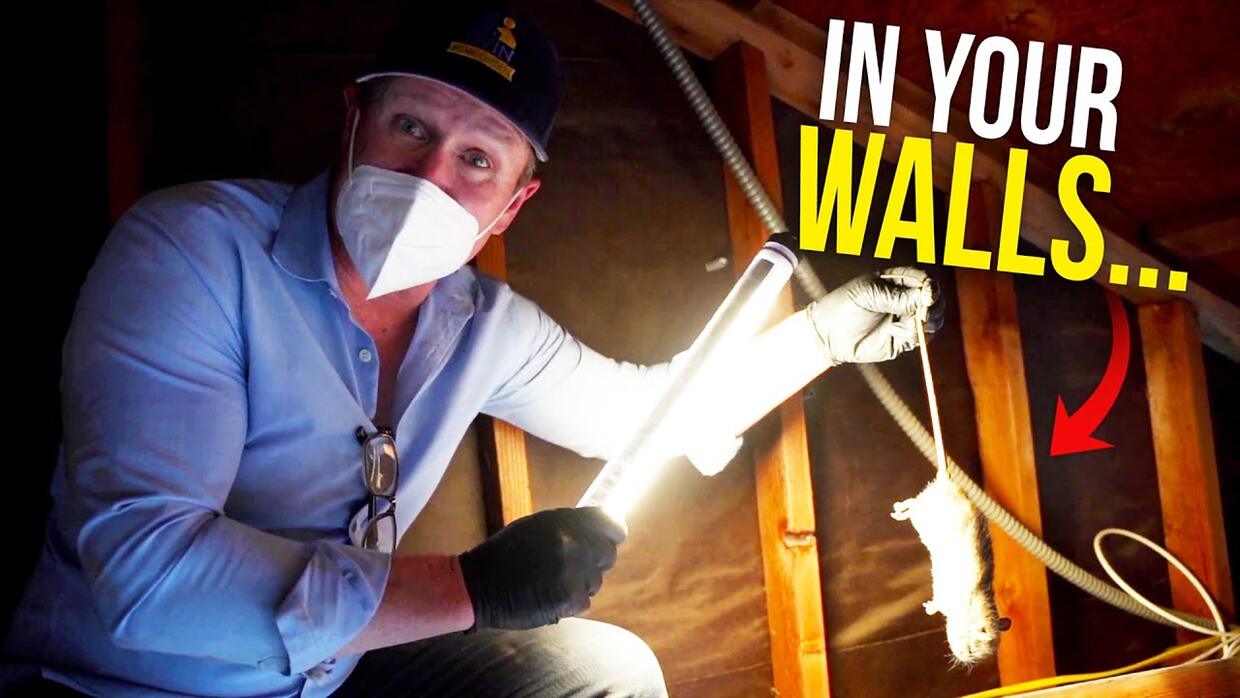
Video: Rodents in your walls? Here's what you do, from Twin Home Experts.
Common Questions in Coral Springs
What callers from Coral Springs want settled before they book.
Coral Springs houses
Why does a 1980s house in a well-kept subdivision have rats?
Age of the roof components, and the trees planted when the subdivision was built. The city's appearance codes keep paint, signs and landscaping in order, and none of that reaches the tile eave, the soffit vent screen or the fascia board, all of which are original on many Coral Springs houses and have had 30 to 40 years of sun and rain. The palms and fruit trees planted at build-out are now mature and touch the roof. A roof rat needs a half-inch opening and a limb within about six feet of the roofline, and a tidy street offers both.
Do the canals and lakes bring rats into Coral Springs yards?
The water itself is a minor factor; the cover along it is what matters. Canal banks and lake edges in Coral Springs carry hedges, seawall caps, dock lines and dense planting, which give a roof rat a sheltered route to the back of the house, the side that is rarely inspected. UF/IFAS describes the roof rat as a climber that travels along branches, wires and palm trunks, so the bank is the approach and the nearest limb is the ladder. The free inspection walks that rear line before it goes up the ladder.
Getting rid of them
How long does it usually take to get rid of rats in the attic?
Days for a light infestation once the roofline is closed, and one to two months for a heavy one. HomeGuide's national guide gives two to three days to trap a handful of animals and one to two months for a severe infestation. UF/IFAS notes that roof rats are wary of new objects, so traps stay in place at least a week before anyone moves them. The Coral Springs jobs that drag on are almost always the ones where a bait station was set and nothing at the eave was sealed, so the attic kept refilling from the same palms.
Who is allowed to trap rats in a Coral Springs house?
In Florida, trapping rats or mice in, on or under a structure for hire requires at minimum an FDACS Limited Commercial Wildlife Management certificate, and applying rodenticide or running a general pest business requires an FDACS pest control business license with a certified operator in General Household Pest and Rodent Control. FWC does not license rat and mouse trappers. Coral Springs is in Broward County and the same state rule applies here as in Fort Lauderdale. Every contractor we route holds the FDACS credential the job needs, and the license number can be looked up with FDACS before work starts.
Still have a question? Call (954) 790-6402 and ask.
Nearby Areas We Serve
The contractors dispatched to Coral Springs cover the neighboring Broward County towns as well, and the whole county is inside the service area.

Book a Free Inspection in Coral Springs
Call (954) 790-6402 or send the form, and someone answers around the clock. The inspection of a Coral Springs roofline, attic and rear lot costs nothing, and the quote that follows is itemized.