Rodent Removal in Weston, FL
Weston's tile roofs are young, and the palms the HOA planted beside them have grown to the eaves. A call gets a free inspection of the roofline and an itemized quote.
Free Inspection in Weston
On a Weston house the free inspection is mostly a roofline inspection, because a master-planned tile-over-block home from the 1990s or 2000s has few openings and the ones it has are all at the top: the eave course, the ridge, the off-ridge vents, the AC line set and the soffit returns where a palm frond reaches them. Whoever attends checks each one against the quarter-inch rat-proofing standard UF/IFAS publishes, looks along the first course of tile for the bird stop, and puts the findings in writing with each piece of work on its own line.
Weston is in Broward County at the far western edge, against the Everglades, about eighteen miles from downtown Fort Lauderdale by I-595. The line is picked up day and night. Licensed contractors handle every job we route, and the FDACS license number can be looked up before anyone sets a ladder. Book a Free Inspection and say which room the noise is over and what time it starts.
A 1990s and 2000s city with tile roofs and planted palms
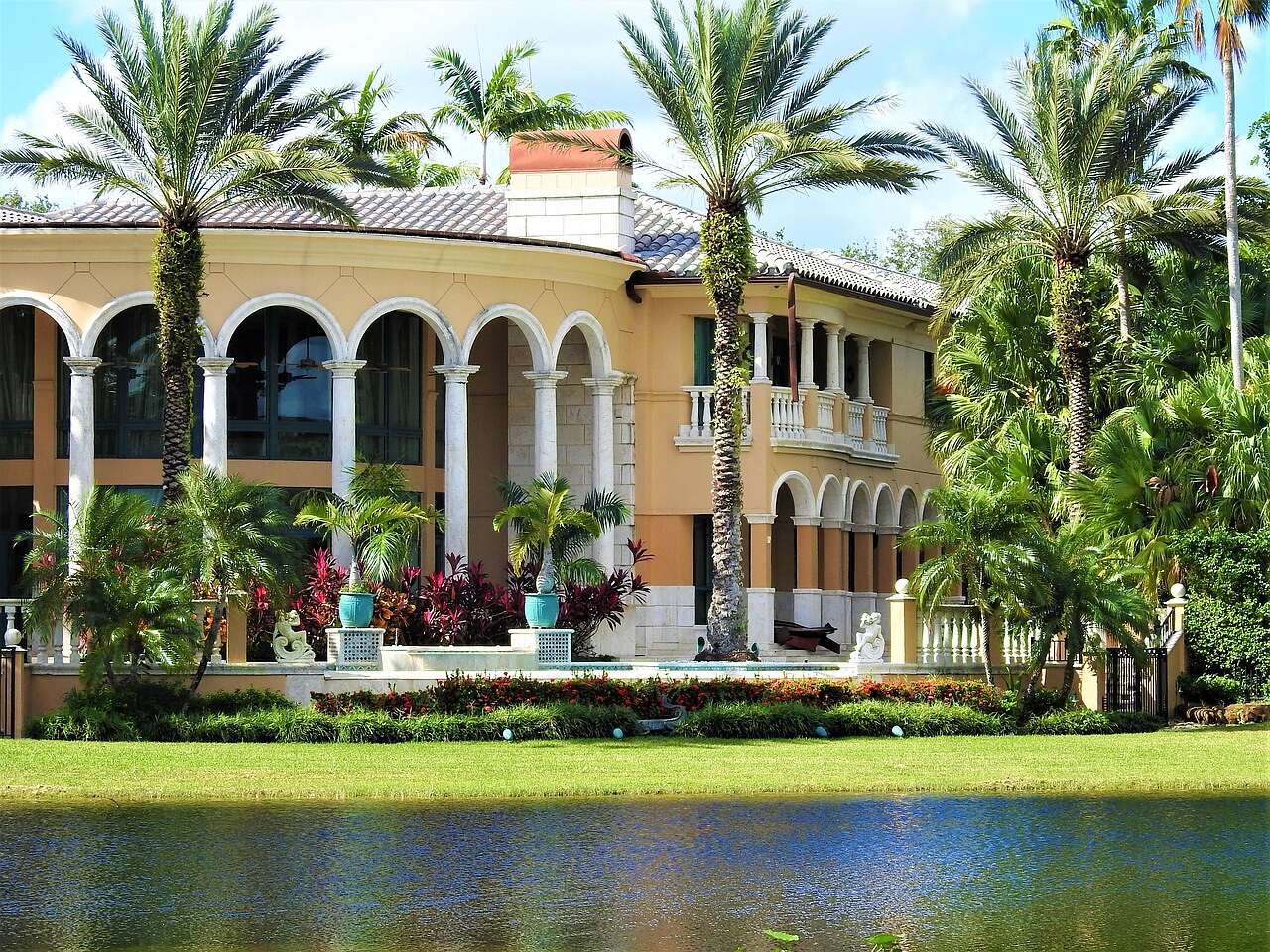
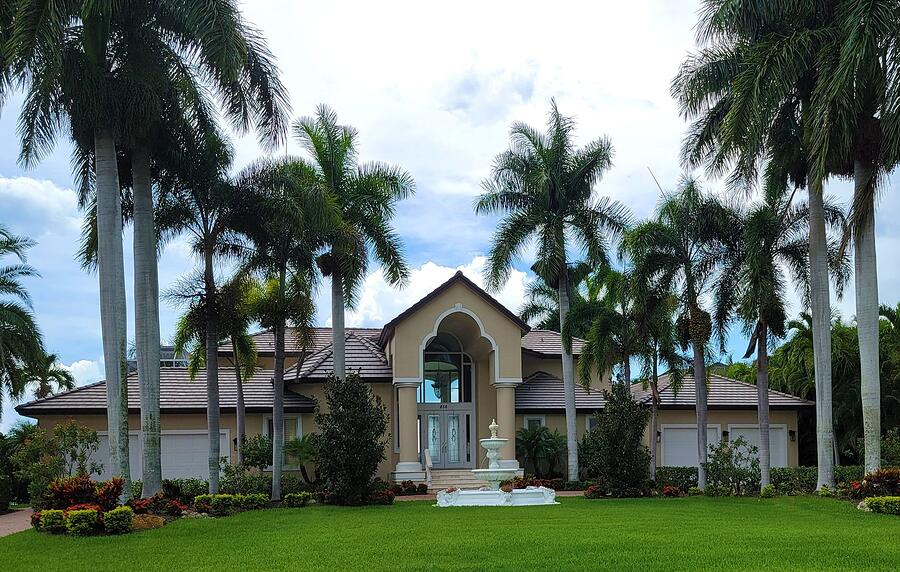
Weston was laid out as a single master-planned community, with the first homes finished in 1984 and the city incorporated in 1996, so most of its housing is barrel or flat tile over concrete block built in the 1990s and 2000s under a plan that specified the landscaping street by street. The city's own history credits the developer with lushly planted arterial roads and a stormwater system built around lakes, and the homeowner associations that took over the private communities maintain the landscaping inside the gates. Royal, queen, foxtail and coconut palms went in beside the houses when they were small. Thirty years later the fronds rest on the tile.
A young tile roof has one weakness that matters here. The gap under the first course of tile at the eave is closed by a bird stop, a code-approved metal closure that the Department of Energy lists among its recommended tile-roof measures, and on a share of Weston roofs it was never fitted, is corroded, or was displaced during a repair. Where it is missing, the void runs the length of the eave and a roof rat walks in off the frond. UF/IFAS describes the roof rat as an animal of branches, wires and palm trunks that ranges about 150 yards from its den, so a palm two doors down is inside its route. The rodent exclusion page shows what a proper eave closure looks like against a bead of foam.
Lakes, canals and the Everglades edge
Every Weston subdivision was built around a lake or canal, and the bank at the back of the lot is where the cover is. The city maintains most of the lakes and the associations maintain the rest, and the planted banks, littoral shelves and hedge lines along them give a rodent a continuous route from lot to lot behind the houses. Weston borders the Everglades to the north and west, which makes it the most western city in Broward County, and the conservation levee and the canals that drain toward it carry the same cover to the edge of the marsh.
The animals in the marsh are a different problem from the animals in the attic. The native cotton rat lives in the open sawgrass and is Florida's identified hantavirus reservoir, and most US hantavirus cases are western, so a Weston attic with roof rats carries a low hantavirus risk; the respirator worn during cleanup is for general contamination. What the lakes and canals supply is water, cover and a travel line, so the inspection walks the bank, the pool cage frame and the dock or seating area at the rear before it goes up the ladder. Hedges and fronds touching the roof get flagged for the HOA landscaping contractor, since a homeowner inside a gated community usually cannot prune the common planting.
Bonaventure, the older section, and storm history
Bonaventure is the 1980s part of Weston, developed separately and joined to the city by a vote in 1997, and its townhouses, condos and earlier single-family stock are ten to twenty years older than the rest of the city. That age shows at the soffit and the fascia, in gable screens that have rusted, in roofs that have been replaced once, and in planting that has had forty years to reach the eave. Condo and townhouse work in Bonaventure is a board and property manager decision, and the scope is written with the shared roofline separated from the unit interior, which the commercial rodent control page describes.
Hurricane Wilma in 2005 sent its strongest gusts into the western suburbs, Weston among them, and the Department of Energy documents how storm winds break and displace tile and how one broken tile cascades into others. Irma in 2017 lifted tile and tore soffits across Broward again. A roof patched after either storm without the bird stop put back is open at the eave, and a debris pile left by a lake is harborage. The CDC ties increases in leptospirosis to hurricanes and floods, names rodents among the reservoirs and recommends rodent control as post-flood prevention, which is what the post-storm rodent inspection is for. Weston's rainy season runs June to November, and the cool snaps from November to February are when an attic that has been occupied since summer becomes audible.
What We Handle in Weston
Work routed in Weston runs exclusion first, because a house with so few openings is a house that can be closed completely.
- Roof rat removal: the palm-to-tile animal in almost every Weston attic call
- Rodent exclusion: tile eave closures, ridge and off-ridge vent screening and line-set sealing on 1990s and 2000s roofs
- Rodent inspection: free, from the lake bank to the ridge, with a written report you can hand to the HOA
- Attic cleanup: droppings and soiled blown-in insulation out of a hot vented attic
- Attic insulation replacement: the Department of Energy notes compressed or wet insulation performs below its rating
- Rodent clearance letters: for a Weston sale where the buyer's inspection turned up droppings above the garage
- Commercial rodent control: Bonaventure condo boards and the town center retail blocks
A Typical Weston Job
The situation: A couple in a two-story tile-roofed house on a lake in one of Weston's gated communities hears a light run across the ceiling of the upstairs office around midnight, most nights since the first cool weekend in November. A pair of foxtail palms the HOA planted at the side of the house now reach the second-floor eave, and the pool cage frame runs from the lake bank to the wall. Friends tell them a house this new cannot have rats. They have not slept properly in three weeks.
What gets done: Whoever attends finds the bird stop missing along the eave above the office, droppings a quarter to half inch long with pointed ends on the insulation below it, and an off-ridge vent with a plastic mesh chewed through. The eave gets a metal closure the full length of the run, the vent gets galvanized hardware cloth, the AC line-set penetration is sealed with metal and sealant, and snap traps go on the run for at least a week, since roof rats avoid new objects, per UF/IFAS. The fronds are written up for the association's landscaper. The quote shows exclusion, trapping and a follow-up on separate lines.
How it turns out: Several adults are trapped in the first ten days and the ceiling goes quiet. The return visit finds no new droppings, the couple gets a written list of every closure on the roof to keep with the house papers, and the HOA cuts the fronds back from the eave. The office is an office again.
What This Costs in Weston
A Weston rodent job is quoted inside the published national typical-job bands, confirmed at the free inspection, with every line shown separately.
| Line item | National band (HomeGuide 2026) |
|---|---|
| Standalone inspection | $0 to $175 in the national data; free here |
| Trapping and removal | $250 to $1,200 |
| Whole-house exclusion | $500 to $2,500 |
| Attic cleanup and decontamination | $600 to $2,500 |
| Insulation removal and replacement | $2.50 to $5.50 for each square foot |
| Dead rodent removal | $150 to $500 |
| Full-scope restoration | $3,000 to $10,000 and higher |
What pushes a Weston quote up the exclusion band is the tile eave itself: the closure has to run the full length of every eave, and a two-story house has more of it. What pulls it down is everything the house lacks: the national bands include crawl spaces and basements, and a slab-built Weston home has neither, while a roof this young has fewer openings to close than a 1950s ranch. Ask whether a monthly plan is included in the number and what the warranty on the sealing says.
Rodents in the attic
What is happening above the ceiling, explained.
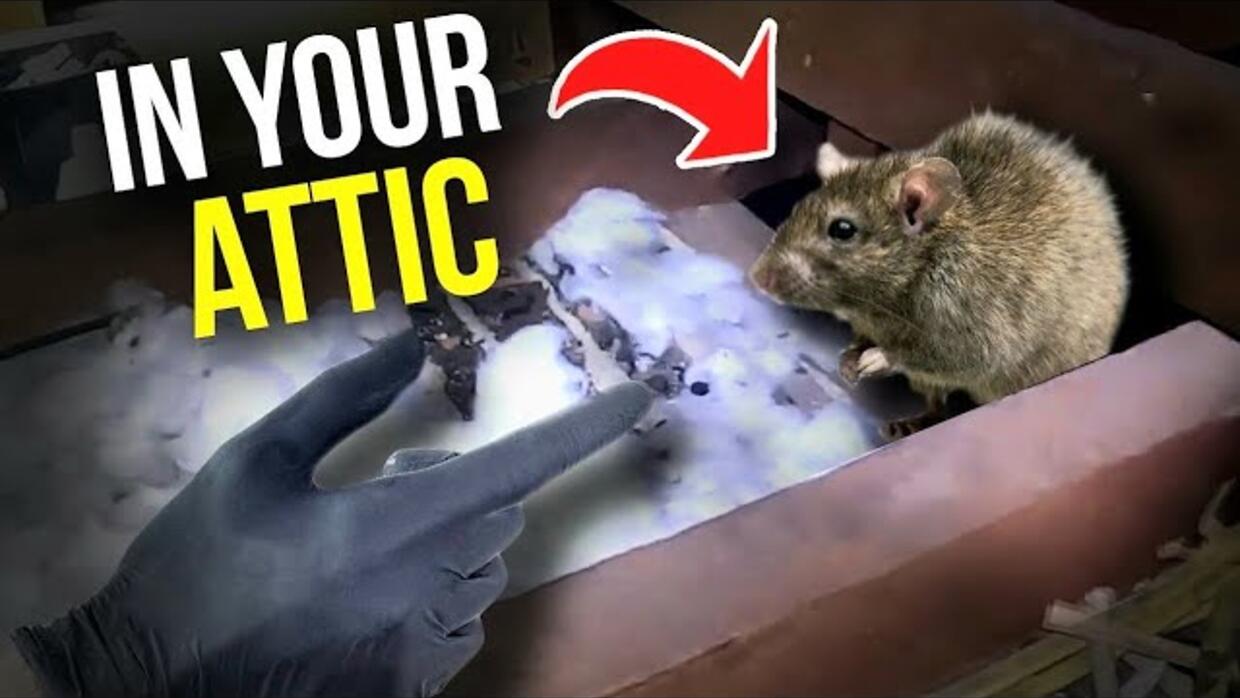
Video: Rodents in your ATTIC!? Here's what you do, from Twin Home Experts.
Common Questions in Weston
What callers from Weston want settled before they book.
Weston houses and HOAs
How can a house built in 2003 have rats in the attic?
A young house gets rats through a young roof, and a tile roof has a named gap at the eave from the day it is laid. The bird stop that closes the first course is a separate metal component, and where it was left out or has corroded the eave is open for its whole length. Add a palm planted in the 1990s that now touches the tile, and the age of the house stops mattering. Roof rats breed through the year in Broward County, per UF/IFAS, so the first pair to find the eave is a family by the next cool snap.
The palms are on HOA common ground. What can I do about them?
Get the fronds and the roofline written into the inspection report and bring it to the association. The contractor we route notes every frond and branch within about six feet of the eave, and most Weston associations will schedule their landscaping contractor once they see it in writing, since the same fronds reach the neighbor's roof. Your own side of the work is the sealing, which does not need HOA approval on the parts of the roof you own, and which holds even while the fronds stay, because a closed eave has nothing for a rat to enter.
Getting rid of them
What keeps rats away permanently?
A closed roofline keeps them away, and on a Weston house that is a realistic goal because the openings are few and all at the top. Every gap a quarter inch or larger gets closed with a metal eave closure, galvanized hardware cloth or sheet metal; fronds get cut back from the tile; fallen fruit from a mango or citrus by the lake gets picked up. Sound devices and peppermint do nothing against an animal arriving on a palm. Ask whoever attends what the warranty on the sealing covers and for how long, and keep the written list of closures with the house.
Do I have to repair the chew-ins right away, or will trapping hold for now?
Repair them in the same visit as the trapping, because the hole a rat chewed is now a scent-marked route that the next animal from the same palm line will use within weeks. Trapping alone in a Weston attic takes out the current animals and leaves the eave open, which is the pattern behind the multi-month timelines homeowners describe. The sealing is the part of the job with an end and the part a warranty can attach to. HomeGuide puts trapping a few animals at two to three days once the house is closed; with it open, there is no number.
Still have a question? Call (954) 790-6402 and ask.
Nearby Areas We Serve
The contractors dispatched to Weston cover the neighboring Broward County towns as well, and the whole county is inside the service area.
Book a Free Inspection in Weston
Call (954) 790-6402 or send the form for a free inspection anywhere in Weston, Bonaventure included. Someone answers around the clock and the inspection costs nothing.