Rodent Removal in Pembroke Pines, FL
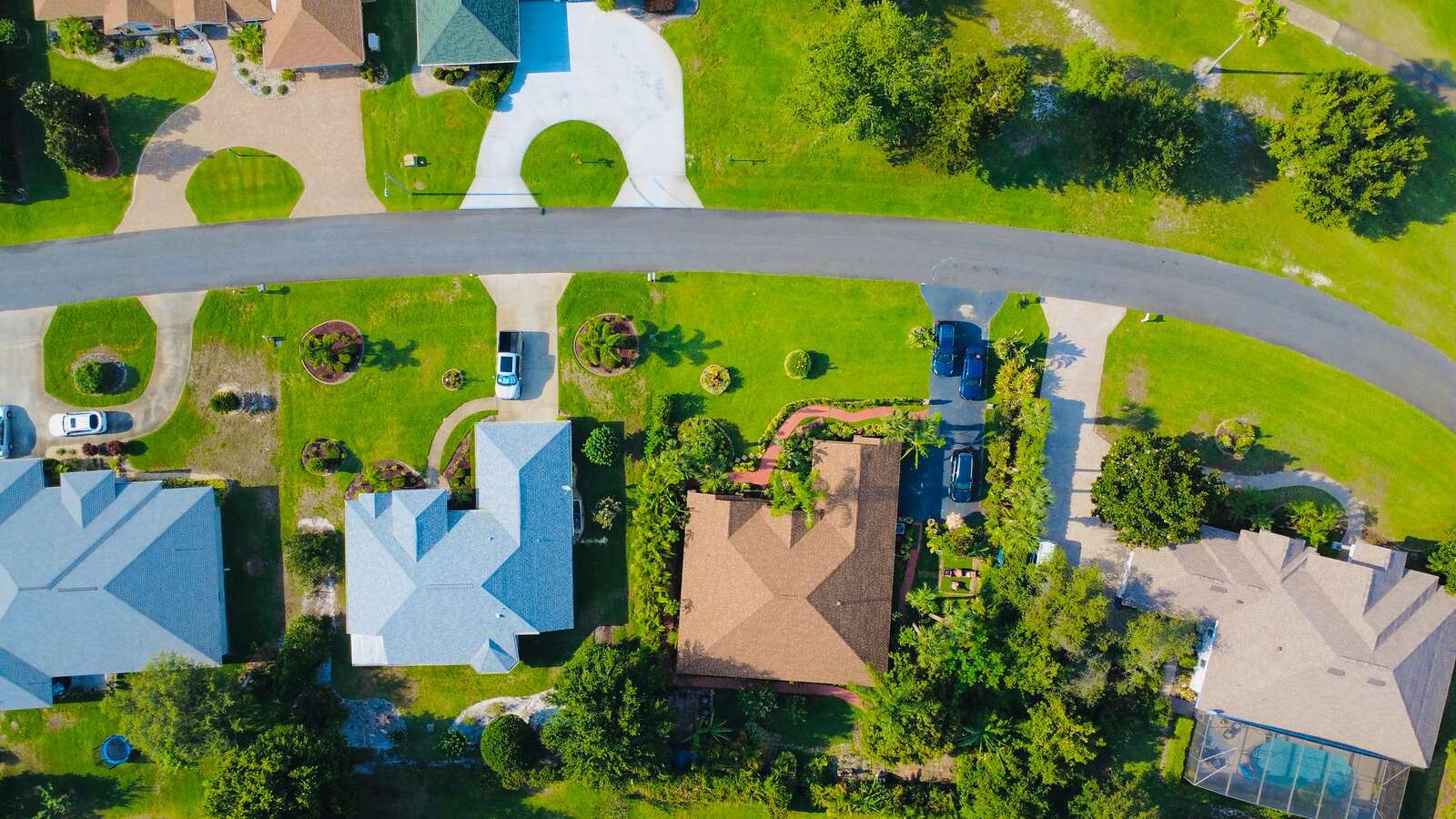
Pembroke Pines is mile after mile of tile roofs over block, laid out around lakes and canals from the 1980s to the 2000s. The call gets a free roofline inspection and an FDACS-licensed contractor.
Free Inspection in Pembroke Pines
A free inspection in Pembroke Pines is mostly a roofline job: the tile eave, the ridge, the soffit vents and the gable ends, then the attic with a light, then the lake bank or canal easement behind the house. Pembroke Pines is in southwest Broward County, west of the Turnpike and out past I-75, a drive of roughly half an hour from downtown Fort Lauderdale along I-595 or Pines Boulevard, and the contractor network covers it end to end.
Someone answers the phone around the clock, and the first job is to work out what is happening at the house from what you describe. A new roof does not mean a closed roof, and the question of how a rat got into a house built in 2001 has a short answer that starts at the eave. Book a free inspection and get the answer in writing.
Planned subdivisions from the 1980s to the 2000s, tile over block
Pembroke Pines grew from a small city into one of the largest in Broward County in about two decades, with the land from Flamingo Road west to US 27 annexed in 1980 and, by the city's own account, most of the neighborhoods west of I-75 built after Hurricane Andrew in 1992 as families moved north out of south Miami-Dade. The result is the housing that lines Pines Boulevard today: concrete block walls, stucco, and concrete or clay barrel tile roofs, in gated and ungated subdivisions on curving streets.
Tile over block is sound construction and it still has a rodent-sized hole in it. The first course of tile at the eave is open unless a bird stop, the metal eave closure the Department of Energy lists among its recommended tile-roof measures, was installed and has stayed put. On homes from the 1990s the closure is often a plastic or foam strip that has broken up, or it was never installed. Ridge ends and off-ridge vents carry plastic mesh that a roof rat chews. Soffit vents that were fine in 2003 have twenty years of sun on them. The contractor we route walks every eave, closes the open course with a code-approved metal closure and hardware cloth cut to the tile profile, and measures the rest of the roofline against the quarter-inch standard that UF/IFAS gives for rat-proofing. That is the difference between the rodent exclusion line on a quote and a can of foam.
Lakes and canals in every community, and the Everglades to the west
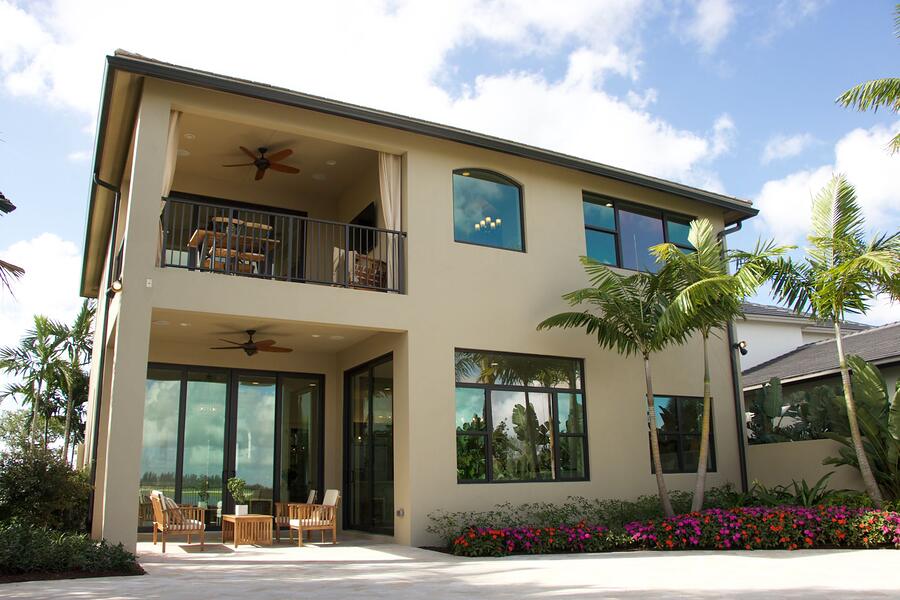
Nearly every Pembroke Pines subdivision was built around dug lakes and drainage canals, and the city's western boundary at US 27 is the edge of the Everglades. The lake bank behind a house is the piece of the lot nobody inspects: littoral plantings, a hedge along the easement, the pool cage, and a line of queen or foxtail palms between the water and the roof. Roof rats travel that line. UF/IFAS describes the species as arboreal, moving along branches, wires and palm trunks, and ranging about 150 yards from the den, so the canopy three houses down along the same lake is inside its territory.
Fruit does the rest. Mango, avocado and citrus in a back yard, and the dead frond skirt on a palm as a nest site, keep a colony fed and housed within a short climb of an eave. UF/IFAS states that roof rats breed year-round in Florida, so a pair on the lake bank in June is a colony in the attic by the first cool night in November, which is when Pembroke Pines calls peak. The roof rat removal page covers the trapping side, and limb and frond clearance to about six feet from the roofline is on every exclusion list.
Wilma, Irma and what wind does to a tile roof
Hurricane Wilma crossed Pembroke Pines in October 2005 with sustained winds officially recorded above 90 miles an hour and a gust past 100, and Irma in 2017 took tile and screen enclosures across the western suburbs again. The Department of Energy documents what that does to a tile roof: wind breaks and displaces tiles, and one broken tile cascades into the next. Every displaced tile is a new opening onto the underlayment, and every torn soffit panel is a door into the attic.
Storms also move the animals. Debris piles at the curb become harborage for weeks, and rising water in the lakes and canals pushes rats out of bank burrows and up into pool cages, garages and attics. The CDC's post-flood guidance names rodents among the reservoirs behind the leptospirosis increases it sees after hurricanes and floods, and it puts rodent control on the prevention list. A post-storm rodent inspection is the roofline check to book once the roofer has finished, before the sounds start.
What We Handle in Pembroke Pines
Every rodent service on the site runs in Pembroke Pines, and on this housing stock the work concentrates at the tile eave, the ridge and the lake bank.
- Roof rat removal: the attic trapping program in a two-story subdivision house, with traps left a week or longer on the marked runs.
- Rodent exclusion: metal bird stops along every open tile course, ridge and off-ridge vent screening, and soffit rescreening on 1990s and 2000s roofs.
- Rodent inspection: a free ladder walk of the roofline and a look at the lake easement, written up.
- Attic cleanup: removing droppings and soiled blown-in insulation from a hot vented attic once the animals are out.
- Attic insulation replacement: replacing insulation that has been tunneled and compressed, which the Department of Energy says no longer delivers its rated R-value.
- Commercial rodent control: HOA clubhouses, the retail plazas along Pines Boulevard and University Drive, and gated-community common areas.
A Typical Pembroke Pines Job
The situation: A couple in a two-story house built in the late 1990s in a gated community off Pines Boulevard hear something running the length of the ceiling over the upstairs hallway every night once the air conditioning cycles off. The back of the lot is a lake with a row of queen palms along the pool cage. The roof is concrete barrel tile, original to the house. They have been told by neighbors that rats do not get into new houses, and one of them has stopped sleeping past three in the morning.
What gets done: The contractor who attends finds the foam eave closure along the lake side of the roof crumbled away, leaving the first tile course open for most of its length, and a chewed plastic screen under an off-ridge vent. In the attic, droppings a quarter to half inch long with pointed ends mark a run along the top plate over the hallway. Metal bird stops go on the open course, the vent gets galvanized hardware cloth, the palms are flagged for trimming back off the roof, and snap traps go on the run. The quote lists exclusion, trapping and one return visit as separate items.
How it turns out: The traps are busy for the first week and silent by the third. The return visit finds no new droppings, the couple gets a written list of what was closed, and insulation replacement is quoted separately for them to decide on.
What This Costs in Pembroke Pines
A Pembroke Pines rodent job lands inside the national typical-job bands that HomeGuide reported for 2026, and the free inspection converts the band into an itemized quote for the house.
| Line item | National band (HomeGuide 2026) |
|---|---|
| Standalone inspection | $0 to $175 nationally, free here |
| Trapping and removal | $250 to $1,200 |
| Full-home exclusion | $500 to $2,500 |
| Attic cleanup and decontamination | $600 to $2,500 |
| Insulation removal and replacement | $2.50 to $5.50 for each square foot |
| Dead rodent removal | $150 to $500 |
| Full-scope restoration | From $3,000 to $10,000 and higher |
Pembroke Pines pushes exclusion toward the top of its band because a large two-story tile roof has a lot of eave to close and every foot of it needs a metal component. In the other direction, these are slab-on-grade houses, and the national guides price crawl-space and basement work that a Broward contractor never has to do, so trapping and cleanup can land under the national spread. Ask whether a recurring monitoring plan is inside the number or listed separately.
The route in from the sewer line
How a rat travels a drain into a house.
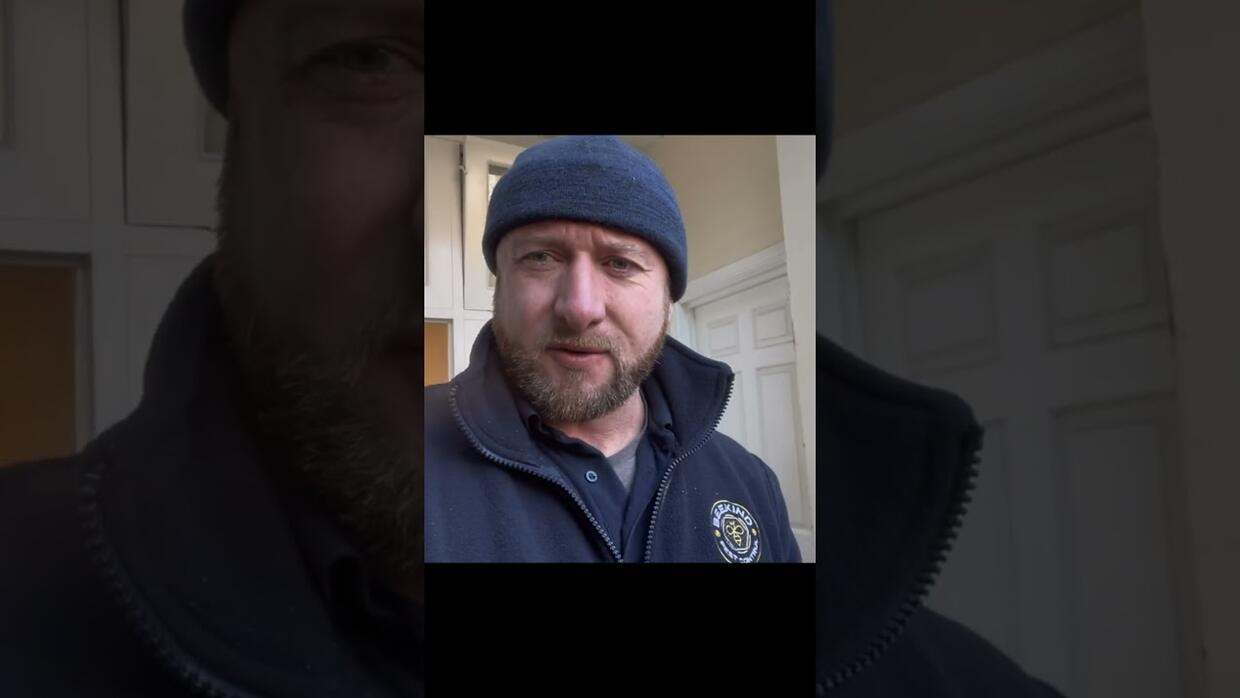
Video: How do rats get out of the sewers and into your home?, from BEEKIND Pest Control.
Common Questions in Pembroke Pines
What callers from Pembroke Pines want settled before they book.
Newer houses and tile roofs
How do rats get into a house that was built in the 2000s?
Through the roof. A 2000s house in Pembroke Pines has a tile roof whose first course at the eave is open unless a bird stop was installed and has survived, and many were plastic or foam strips that have broken up. Ridge vents carry plastic mesh, and soffit vents have two decades of sun on them. A roof rat climbs a palm or a pool cage, walks the gutter line and goes in at the eave. UF/IFAS gives a quarter inch as the rat-proofing standard, and a newer house has plenty of openings larger than that at the roofline.
Is it safe to do exclusion before trapping?
Sealing and trapping run together, in the same program, and sealing first with animals still inside is the one order to avoid. A rat locked into an attic chews a new way out, sometimes into the living space. The contractor we route seals the roofline and sets traps on the same visit, leaves the traps at least a week because roof rats avoid new objects, and returns to confirm the attic has gone quiet before the job is closed. The one-way door at a main entry is the tool that lets sealing and removal happen at once.
What it costs and who does it
What is the cheapest way to get rid of rats in Pembroke Pines?
Closing the eave and trapping what is inside, because that is the only plan that ends. A bait-only quote is cheaper on the first visit, and the EPA describes most rodenticides as anticoagulants that take four days to two weeks to kill, so the rat that fed in the attic dies in the attic. UF/IFAS notes trapping reduces that risk. Metal bird stops cost more than foam and last, while foam is chewed out in a night. Get the quote itemized and compare the sealing line between bids.
Is the contractor licensed for this work in Broward County?
Every contractor we route holds the FDACS credential the job requires. In Florida, trapping rats or mice in, on or under a structure for hire needs at least the FDACS Limited Commercial Wildlife Management certificate, and applying rodenticide or operating a general pest business needs an FDACS pest control business license with a certified operator in General Household Pest and Rodent Control. FWC does not license rat and mouse trappers. Look the license number up with FDACS before the work starts, and ask about warranty terms on the exclusion and how many follow-up visits are included.
Still have a question? Call (954) 790-6402 and ask.
Nearby Areas We Serve
The contractors dispatched to Pembroke Pines cover the neighboring Broward County towns as well, and the whole county is inside the service area.
Book a Free Inspection in Pembroke Pines
Call (954) 790-6402 or use the form to book a free inspection in Pembroke Pines. The line is picked up day and night, and the inspection costs nothing.