Rodent Removal in Pompano Beach, FL
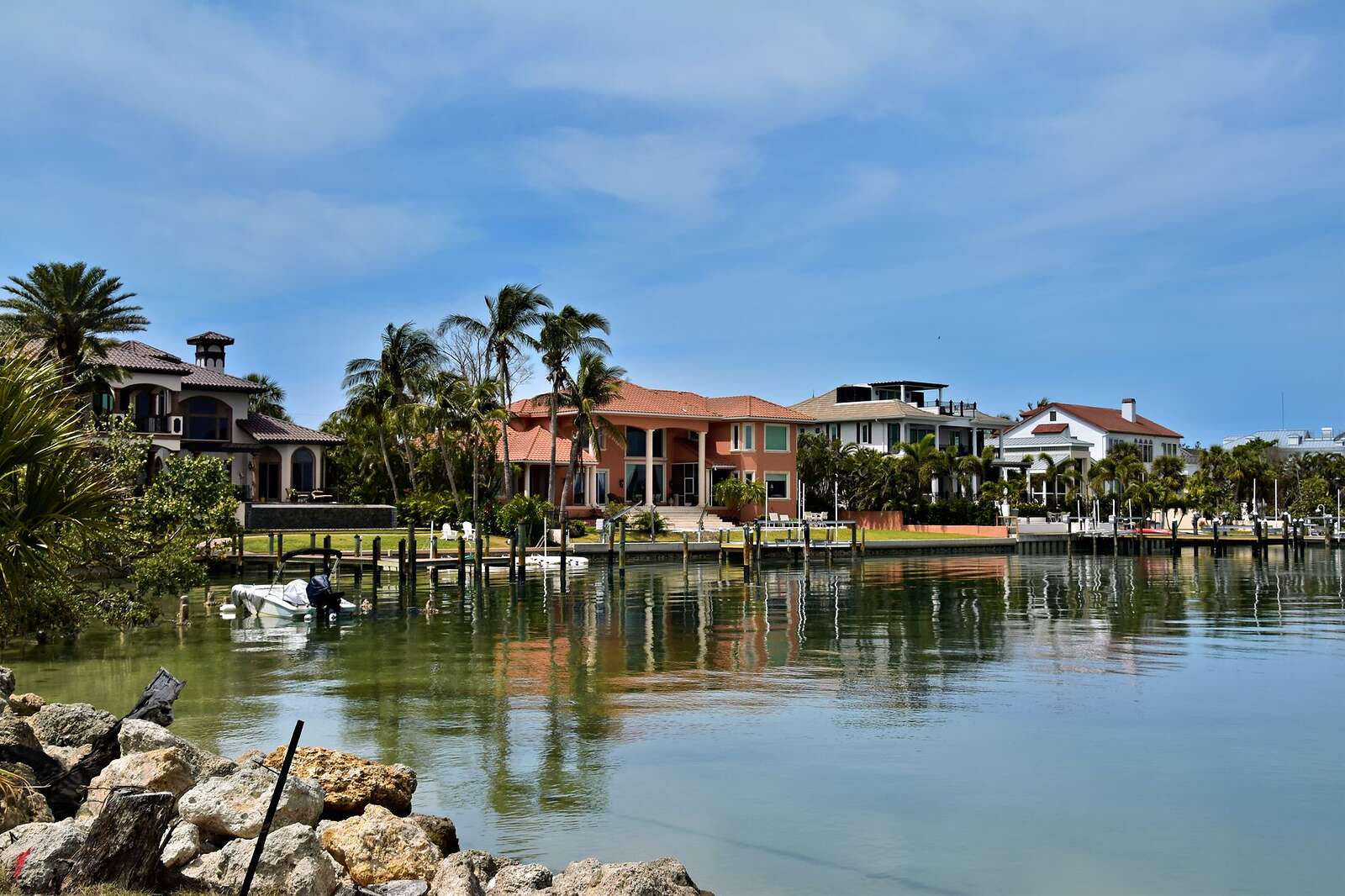
Pompano Beach houses put a canal at the back, a tile or gravel roof on top and a mango in the yard, which is the whole roof rat route. The call gets a free inspection and a sealed roofline.
Free Inspection in Pompano Beach
The free inspection on a Pompano Beach house starts at the sea wall and ends in the attic, because that is the direction the animal travels. Whoever attends walks the dock line and hedge along the canal, checks fruit trees and palm crowns within reach of the eave, climbs to the roofline to look at soffit returns, vent screens and the open ends of tile courses, then goes into the attic with a light to read droppings, rub marks and insulation runs. You get the findings in writing and a quote split into exclusion, trapping and any cleanup.
Pompano Beach sits in Broward County about ten miles north of downtown Fort Lauderdale, up Federal Highway or I-95. The phone is picked up day and night, including the hour after midnight when the scratching over the bedroom finally becomes impossible to explain away. Book a free inspection and licensed contractors handle every job we route.
Canal-front lots and the Intracoastal side of Pompano Beach
A canal at the rear of a Pompano Beach lot gives a roof rat a highway that the homeowner never inspects. The finger canals and Intracoastal frontage east of Federal Highway carry sea walls, dock lines, boat lifts, mangrove edges and mature hedges, and every one of them is a travel route or a nest site for an animal that UF/IFAS describes as arboreal and comfortable on branches, wires and palm trunks. The front of the house gets looked at every day. The sea wall side gets a glance from the patio.
Norway rats work the same frontage at ground level. They burrow behind sea walls and under dock decking, and they show up around the marina and yacht basin properties near the Hillsboro Inlet and along the Intracoastal, where dumpsters, bait and boat storage keep them fed. A roof rat problem in the attic and a Norway rat problem at the sea wall can exist on the same lot at the same time, and the inspection reads both.
The city's growth came in two decades after the 1947 merger of the Town of Pompano with the beach, when the population climbed from about 5,000 to more than 38,000 and the canal subdivisions were dredged and platted. The single-story concrete block houses on those canals are now in their sixth or seventh decade, with the original fascia, the original soffit screens and in many cases the original roof tile, and that is where the openings are. Rodent exclusion on a canal-front house includes the rear of the property in the survey.
1950s to 1970s block houses and the older beach condos
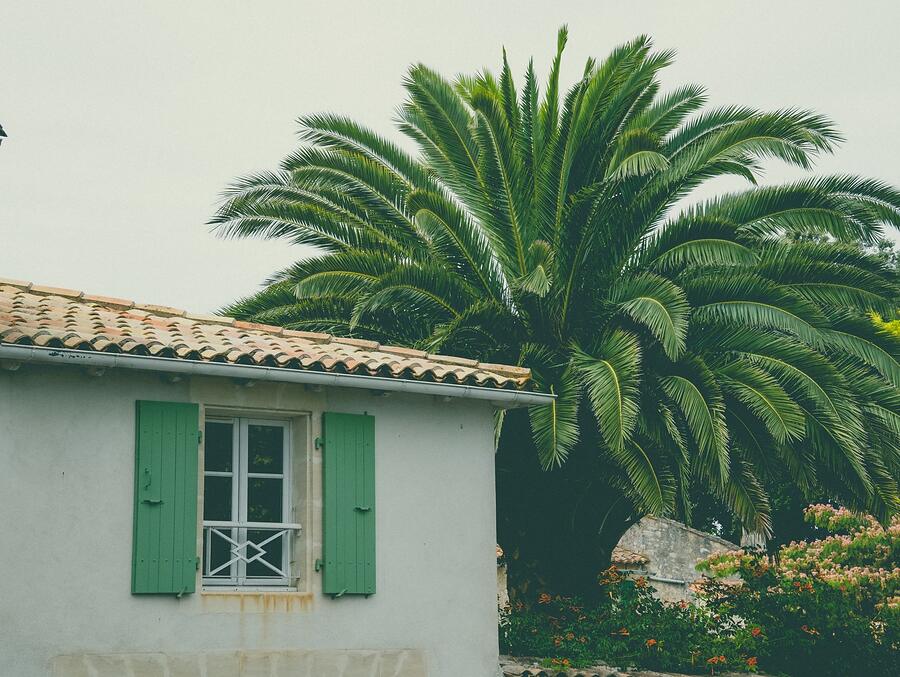
Most of the single-family stock in Pompano Beach was built between the early 1950s and the 1970s, and a house of that age carries rat-sized openings that a newer house does not. Concrete block walls do not get chewed. The wood fascia, the aluminum soffit panels, the vent screens and the eave course of a barrel tile roof do. On a tile roof the gap under the first course is closed by a named component, the bird stop or eave closure, usually 26 gauge galvanized or aluminum, and the Department of Energy lists bird stopping among its recommended measures for tile roofs. On a 1960s house the original bird stop has often corroded through or was never fitted, and the result is a void the length of the eave that a rat walks into.
The beach side is a different building type with the same animal. The first oceanfront condominium towers went up in the late 1960s, and the low and mid-rise buildings along A1A and the Intracoastal from that era have shared attics, shared roof decks, trash rooms, landscaped courtyards planted with palms and sea grape, and a board rather than a homeowner making the call. Rodent work on a Pompano Beach condo is a manager-and-board decision and usually starts with a written inspection report the board can act on. Commercial rodent control covers multifamily buildings, and clearance letters cover a unit changing hands.
The warehouse and industrial blocks west of I-95
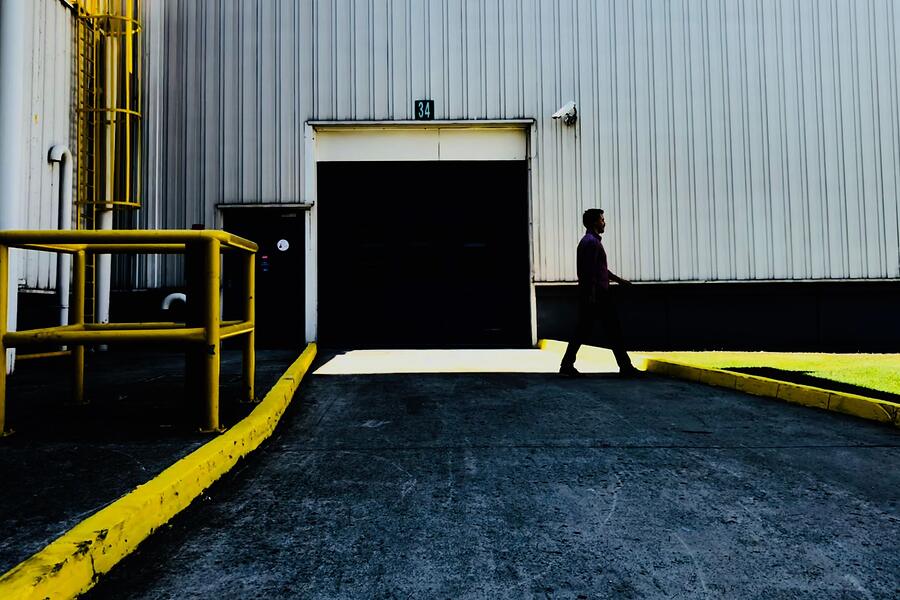
Pompano Beach carries one of the largest industrial and warehouse districts in Broward County, spread west of I-95 along Copans Road, Atlantic Boulevard, Hammondville Road and the Andrews Avenue corridor, and rodent pressure in those blocks is a Norway rat and roof rat problem at once. Loading docks, pallet stacks, dumpster enclosures, food and beverage storage, landscaping berms and the drainage swales between buildings give Norway rats burrow sites at grade. Roof rats use the overhead: conduit, roof-mounted equipment, the gap under a metal roof edge and the fascia of the older tilt-up buildings.
Commercial work in these blocks runs to an inspection of the exterior, a bait station program under the label rules where rodenticide is warranted, snap trapping inside, and exclusion at dock door seals, pipe penetrations and roof edge. Applying rodenticide on a commercial site requires an FDACS pest control business license with a certified operator in General Household Pest and Rodent Control, and the contractor we route for a warehouse call holds it. Tenants under a food or health inspection regime usually need the visit documented; ask for the service report at the first visit.
Season and storms in Pompano Beach
There is no month in Pompano Beach when roof rats stop breeding, so there is no month when the attic empties on its own. UF/IFAS reports that roof rats breed through the year in Florida, and the two pressure points on a Pompano Beach calendar are the summer and hurricane-season rain from June through November, which pushes animals indoors, and the cool snaps between November and February, which are when attic activity gets loud enough to hear from the bed.
Storms add a third. The city took Wilma in 2005 and Irma in 2017, and the mechanism after any strong wind event is the same: tiles lift and shift, the Department of Energy notes that one broken tile tends to cascade into its neighbors, soffits tear, debris piles become harborage and standing water drives animals to high ground, which on a slab house means the attic. The CDC connects leptospirosis case increases with hurricanes and floods, names rodents among the reservoirs, and recommends rodent control as part of post-flood prevention. After a storm, a post-storm rodent inspection catches the new openings before the animals settle in.
What We Handle in Pompano Beach
Roof rats in the attic are the bulk of Pompano Beach calls, with Norway rats at the sea wall and in the industrial blocks a distinct second, and the services below cover both.
- Roof rat removal: attic trapping on a 1960s canal-front block house after the roofline is closed
- Rodent exclusion: tile eave closures, soffit rescreening, vent screens and dock-side survey on the canal lots
- Rodent inspection: free, from the sea wall to the ridge, with written findings
- Attic cleanup: contaminated blown-in insulation and dropping runs in a hot vented attic near the beach
- Dead rodent removal: odor in a wall or above a ceiling, common after a bait-only plan
- Commercial rodent control: warehouses west of I-95, marina property and beach condos under a board
- Rodent clearance letters: a written clearance for a condo or house closing
A Typical Pompano Beach Job
The situation: A retired couple in a single-story block house on a finger canal off the Intracoastal hear a run of footfalls over the kitchen ceiling at dusk every night through January. Their boat lift sits at the sea wall, a ficus hedge runs the length of the dock, and a mango leans over the rear roof slope. A neighbor tells them it is probably the wind in the tile. One of them has taken to sleeping with the television on.
What gets done: Whoever attends finds an oily rub mark on the sea wall cap where it meets the hedge, droppings a quarter to half inch long with pointed ends along the attic top plate, and a run of open tile ends at the rear eave where the bird stop rusted away. The mango limb is marked for pruning back from the roof. A ventilated metal eave closure goes along the rear eave, the soffit returns get quarter-inch galvanized hardware cloth, and snap traps go on the marked run in the attic and stay a week, because roof rats avoid new objects at first. Exclusion, trapping and a return visit sit on separate lines of the quote.
How it turns out: The traps take several adults in the first week and go quiet. The return visit finds no fresh droppings and no new chewing, the couple get a written list of what was sealed and where, and the hedge gets trimmed off the sea wall cap so the dock stops working as a runway. Attic cleanup is quoted separately and scheduled for a later month.
What This Costs in Pompano Beach
A Pompano Beach rodent job is priced against national typical-job bands, and the free inspection produces the itemized figure for the house in front of the contractor. The figures below are HomeGuide 2026 national ranges, labeled as such because no Pompano Beach or Broward County cost survey exists.
| Line item | National band (HomeGuide 2026) |
|---|---|
| Standalone inspection | $0 to $175 nationally; free here |
| Trapping and removal | $250 to $1,200 |
| Full-home exclusion | $500 to $2,500 |
| Attic cleanup and decontamination | $600 to $2,500 |
| Insulation removal and replacement | $2.50 to $5.50 per square foot |
| Dead rodent removal | $150 to $500 |
| Full-scope restoration | $3,000 to $10,000 and up |
Two things in Pompano Beach move a quote inside those bands. A barrel tile roof on a 1960s canal house pushes exclusion toward the upper end, because the eave closure has to run the full length of every eave and the dock-side survey adds time. Working against that, the national guides price crawl-space and basement work that a slab-on-grade Pompano Beach house does not have, so the same scope can land under the national spread. Ask whether any monthly monitoring plan is folded into the number before comparing bids.
Why mice keep coming back
A look at the openings that make it repeat.
Video: EASY WAY to Get Rid of Mice in Your House FOREVER, from Silver Cymbal.
Common Questions in Pompano Beach
What callers from Pompano Beach want settled before they book.
What Pompano Beach homeowners ask
Is the noise in my attic a rat or a squirrel?
The hour tells you more than the sound. Roof rats move after dark and go quiet near dawn; squirrels are daylight animals with heavier footfalls. Droppings settle it: UF/IFAS describes a roof rat dropping as a quarter to half an inch long, curved like a small banana and pointed at both ends. In Pompano Beach the odds favor the roof rat, which UF/IFAS calls the worst and most abundant rodent pest in Florida. The free inspection reads the droppings, the rub marks and the openings and names the species before any trap goes in.
Why would rats come from the canal side of my house?
The canal side has cover, water and a runway. A sea wall cap, a dock, a boat lift, a mangrove edge and a ficus hedge let a roof rat travel the length of a Pompano Beach block without touching open ground, and UF/IFAS gives the species a range of roughly 150 yards from its den, so a nest three lots down reaches your roof. Norway rats add burrows behind the sea wall. Most homeowners inspect the street side and never the water side, which is why the inspection starts at the dock.
Getting the job done
What is the cheapest way to get rid of rats?
Sealing the roofline and trapping what is inside is the cheapest plan that holds, because every cheaper plan gets paid for again. A bait-only visit is the lowest first quote in Pompano Beach and the most expensive by the third visit, with a carcass in a wall on top. The EPA describes most rodenticides as anticoagulants that kill four days to two weeks after feeding starts, and a rat that feeds in the attic tends to die there. UF/IFAS notes that trapping cuts that risk. Foam in a soffit gap is chewed out overnight; a metal eave closure and quarter-inch hardware cloth stay put.
Who is allowed to trap rats in a Pompano Beach house?
Trapping rats or mice in, on or under a structure for hire anywhere in Broward County requires at minimum an FDACS Limited Commercial Wildlife Management certificate, and applying rodenticide requires an FDACS pest control business license with a certified operator in General Household Pest and Rodent Control. FWC does not license rat and mouse trappers. Every contractor we route holds the FDACS credential the job needs, and the license number can be looked up with FDACS before anyone climbs a ladder. Ask for it on the first visit along with the itemized quote.
Still have a question? Call (954) 790-6402 and ask.
Nearby Areas We Serve
The contractors dispatched to Pompano Beach cover the neighboring Broward County towns as well, and the whole county is inside the service area.
Book a Free Inspection in Pompano Beach
Call (954) 790-6402 or send the form and someone answers around the clock. The inspection of your Pompano Beach house, from the sea wall to the ridge, costs nothing.