Rodent Removal in Poinsettia Heights
Postwar block and frame houses under a mature canopy, with the Middle River along the north edge, give roof rats a route and an opening on almost every street. Licensed contractors handle every job we route.
What Poinsettia Heights houses give a roof rat
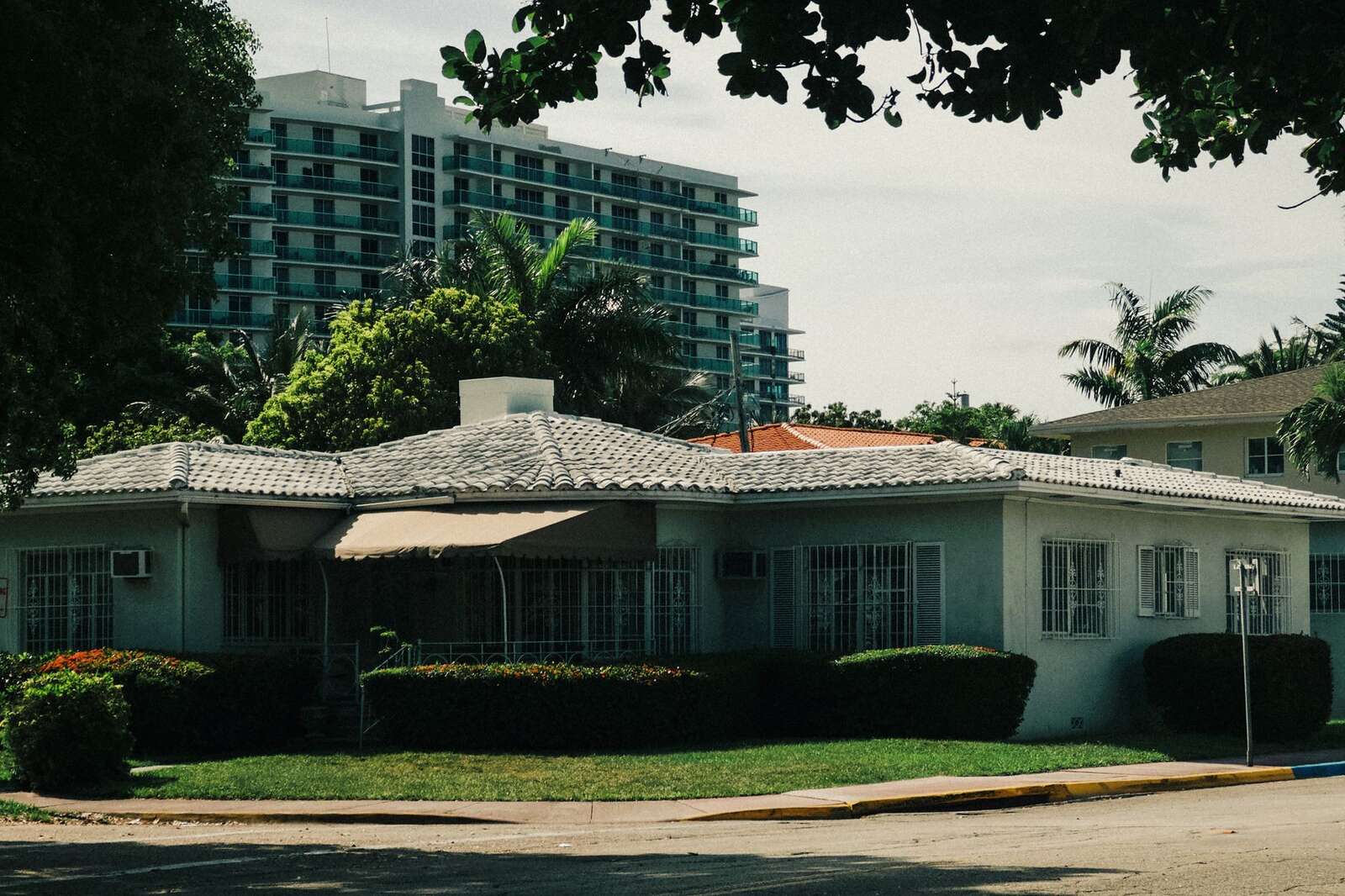
Poinsettia Heights hands a roof rat three things at once: tree limbs against the roof, sixty-year-old soffit and fascia at the eave, and a river bank to live along when the attic is closed. The neighborhood sits north of Sunrise Boulevard and west of Federal Highway, with the Middle River as its northern boundary and Lake Melva at the east end. The civic association's own history records that the tract was built by Gill Construction right after the Second World War as housing for returning servicemen, and that most of the single-family stock dates from the 1950s and 1960s.
Those houses were built small and plain: concrete block or frame, low hip or gable roofs, wide overhangs with screened soffit vents, and a carport or a one-car garage that has often been enclosed since. Many still carry the original aluminum or fiber-mesh soffit screens, which have had sixty summers of sun and salt air to tear and pull loose. A torn screen over a soffit vent is a doorway, and the roof rat treats it as one.
The canopy has had the same sixty years to grow. Streets here run under live oak, black olive, mahogany and ficus, with mango, avocado and citrus in the back yards and palms along the lot lines. Any limb or frond within about six feet of the roofline is a bridge. Roof rats are arboreal by UF/IFAS's description, moving along branches, wires and palm trunks, so the walk from the neighbor's mango to your fascia is a short one.
Where rats get into a 1950s Poinsettia Heights house
The eave is where most Poinsettia Heights infestations start, because the eave is where the oldest and weakest materials on the house are. A ladder walk of the full perimeter finds the openings; the attic finds the evidence. Openings a quarter inch and larger are the ones that matter, since UF/IFAS gives a quarter inch as the rat-proofing standard.
- Original soffit screens that have torn, rusted or pulled out of their channel
- Fascia boards that have shrunk and split away from the roof deck, opening a slot along the top edge
- Gable vents with a light wire screen chewed through at one corner
- The gap where an enclosed carport or a room addition meets the original roof
- Roof-to-wall joints on houses that have been re-roofed with shingle over the old deck
- The utility side of the house: the AC line set, the cable entry and the electrical mast
- A tile eave on the houses that were re-roofed in barrel tile, where the bird stop is missing or corroded
The rear of a lot on the northern streets deserves its own look. Properties that back onto the Middle River carry sea walls, docks and a strip of mangrove or hedge along the bank, and that strip is harborage for roof rats and burrow ground for Norway rats. Inspection includes the bank, the dock line and the wall cap along with the roof. Sealing is quoted as its own service under rodent exclusion, and it goes before or alongside the trapping described on the roof rat removal page.
When Poinsettia Heights homeowners hear them
The first call from Poinsettia Heights usually comes after a November cool snap, when an animal that has been in the attic since the summer rains begins to move over the bedroom ceiling at night. The noise is light and quick, it starts within an hour of the house going quiet, and it is a roof rat far more often than a squirrel or a mouse. Hearing it every night and being told by friends that it is nothing takes a toll; the inspection is free, so book it on the first night and settle the question.
The other signs are on the ground and in the yard. Droppings a quarter to half an inch long and pointed at both ends on the garage floor under the attic hatch. Avocados and mangoes on the lawn with a chewed side. Rub marks up a downspout or along a fascia corner. A musky smell in a closet under the attic. Breeding here is year-round, so a pair in the attic in July is a family by the time the cool weather arrives, and UF/IFAS puts a litter at five to eight young with four or five litters a year.
After a storm the calls come faster. Wind lifts shingles and tears loose soffit panels, debris piles in the yard become nests, and the animals move to whatever roof is easiest. A post-storm rodent inspection exists for that window. The state credential for trapping in a structure is an FDACS Limited Commercial Wildlife Management certificate at minimum; every contractor we route holds the FDACS credential the job needs, and the number can be checked with FDACS before work starts. Questions before anyone comes out go through the contact page.
A representative Poinsettia Heights eave
A wide overhang on a low-pitched postwar roof, a screened soffit vent with the mesh pulled out of its channel, and an oak limb resting on the shingles above it: this is the entry profile whoever attends looks for first on these streets. The screen gets replaced with quarter-inch galvanized hardware cloth, the fascia slot gets sheet metal, and the limb goes on a pruning list for the homeowner. The image is representative of the work and shows a typical result on a house of this era.
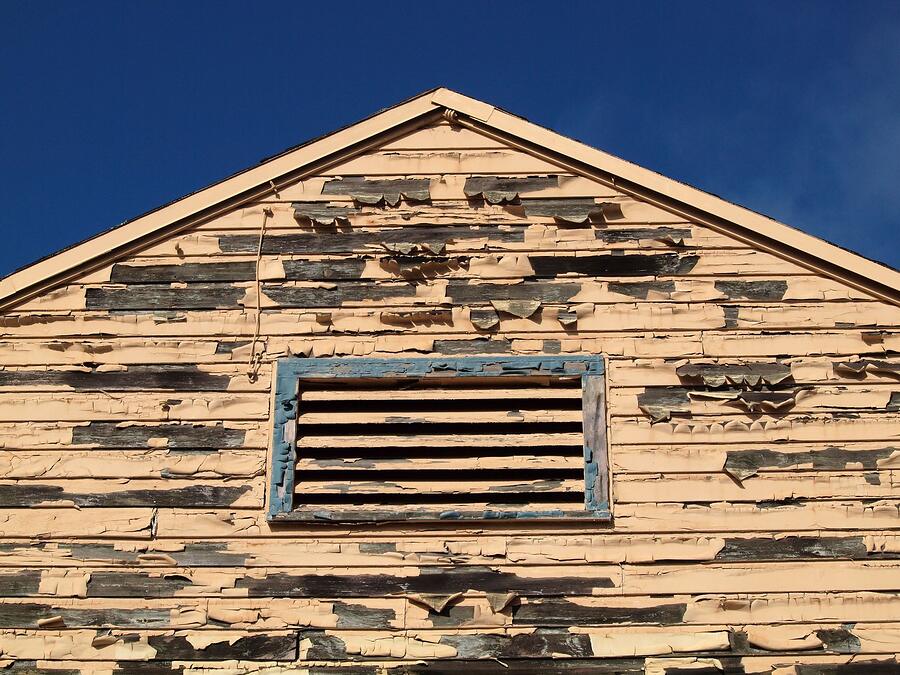
Rat holes around a building
What a burrow looks like, and where it leads.
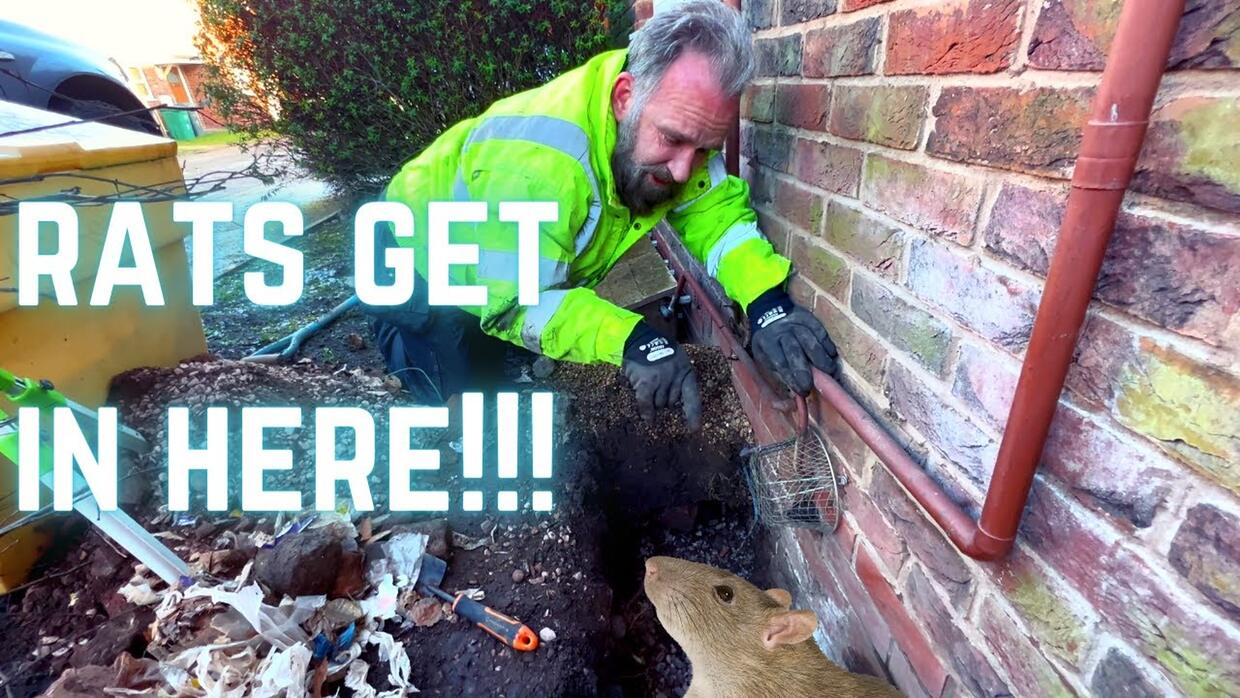
Video: RAT holes around your house? How to stop rats burrowing, from Pest Interceptors.
Why Poinsettia Heights homeowners route rodent work through us
The routed contractors close the eave first, quote in separate lines and hold the state credential.
The soffit gets closed before the traps go in
A postwar house with a torn soffit screen refills from the canopy within weeks if only the traps go in. The contractor we route walks the eave from a ladder, measures every opening against a quarter inch, and closes it with galvanized hardware cloth or sheet metal before or alongside the trapping. You get a written list of every closure and where it is. Trapping without sealing is the practice homeowner forums criticize most, and the routed jobs are built to avoid it.
UF/IFAS: a quarter inch is the rat-proofing standard
A free inspection and a quote you can compare
The inspection costs nothing, including the ladder walk and the attic check, and the quote that follows is split into exclusion, trapping, follow-up and any cleanup. National cost guides price a standalone rodent inspection at up to $175, and homeowners in forums describe paying for a bid before they know whether the noise is a rat at all. Here the number you pay to find out is zero, and the lines on the quote can be put beside any other bid.
HomeGuide 2026: standalone rodent inspection $0 to $175 nationally
The FDACS credential, checkable before work starts
Trapping rats in, on or under a structure for hire is regulated by FDACS in Florida, and FWC does not license rat and mouse trappers at all. Every contractor we route holds the FDACS credential the job needs: a Limited Commercial Wildlife Management certificate at minimum, or a pest control business license with a certified operator where any rodenticide is involved. Look the license number up with FDACS before the ladder goes up; you are encouraged to.
FDACS Limited Commercial Wildlife Management certificate, verifiable in the FDACS license lookup
A common call from a Poinsettia Heights block house
The situation: A retired couple in a 1950s concrete block house a few streets south of the Middle River hear a scuffle over the hallway ceiling most nights after the first cool front. Their daughter says it is the house settling. An avocado tree at the side of the lot has grown over the carport roof, and the carport was enclosed as a den decades ago. Neither of them has slept through the night in two weeks.
What gets done: Whoever attends finds the original soffit screen over the den hanging by one edge where the avocado limb meets the eave, a slot along the top of the fascia where the board has shrunk, and droppings a quarter to half inch long on the insulation above the hallway. The soffit vent gets quarter-inch galvanized hardware cloth, the fascia slot gets a sheet-metal strip for its full length, the joint between the old carport roof and the main roof is checked and closed, and snap traps go on the dropping run for a full week. The limb is marked for pruning. The quote lists exclusion, trapping and one return visit as separate lines.
How it turns out: The traps take a few adults in the first week and then stay empty. The return visit finds no fresh droppings, the couple gets a written record of what was closed and where, and the avocado limb is cut back six feet from the roof the following month. Attic cleanup is quoted on its own line and declined for now.
Questions from Poinsettia Heights homeowners
These come up on the phone from these streets more than any others.
The house and the trees
Do I have to cut down my trees to keep rats off the roof?
Pruning is enough; removal is rarely needed. The route onto the roof is any limb or frond within about six feet of the roofline, so cutting the canopy back to that clearance removes the bridge while keeping the tree. Fruit trees add a second step: pick up fallen mangoes, avocados and citrus, because the food is what draws the animals to the lot in the first place. Roof rats range about 150 yards from the den by UF/IFAS's figure, so the neighbor's tree can supply the food while your eave supplies the nest. Sealing the eave is what settles it.
My house has the original soffits. Is that a problem?
Original soffit screens from the 1950s and 1960s are the single most common entry point on these streets. The mesh has spent sixty years in sun and salt air and it tears, rusts or pulls out of its channel, and a tear the width of a finger is enough for a roof rat. The fix is a rescreen in quarter-inch galvanized hardware cloth or a new vented soffit panel, plus a strip of sheet metal where the fascia has pulled away from the deck. That is a line item on the exclusion quote and the free inspection will tell you how many feet of it the house needs.
The job
How long will it take to get rid of them?
Days for a light infestation with the eave sealed, and up to one or two months for a heavy one. The HomeGuide range runs from two to three days for a few animals up to one to two months when the attic is heavily infested. Roof rats are wary of new objects, so UF/IFAS advises leaving traps in place at least a week before deciding they are in the wrong spot. The jobs that run longer are almost always the ones where nothing was sealed, which is why the routed contractor closes the soffit and the fascia first.
Is there a risk from the droppings in my attic?
The droppings deserve gloves and a respirator, and the hantavirus fear that comes up in searches is a low one here. Florida's identified hantavirus reservoir is the native cotton rat, an outdoor field species, and most US cases are in the western states. The CDC's broader point still stands: rodents carry many diseases spread directly through urine, droppings, saliva and bites, and indirectly through fleas, ticks and mites. Cleanup is its own service and its own quote line; see attic cleanup for what it covers.
Still have a question? Call (954) 790-6402 and ask.

Book a free inspection in Poinsettia Heights
Call (954) 790-6402 or send the form. The line is picked up day and night, and the inspection of the eave, the attic and the river bank costs nothing.