Rodent Removal in Plantation, FL
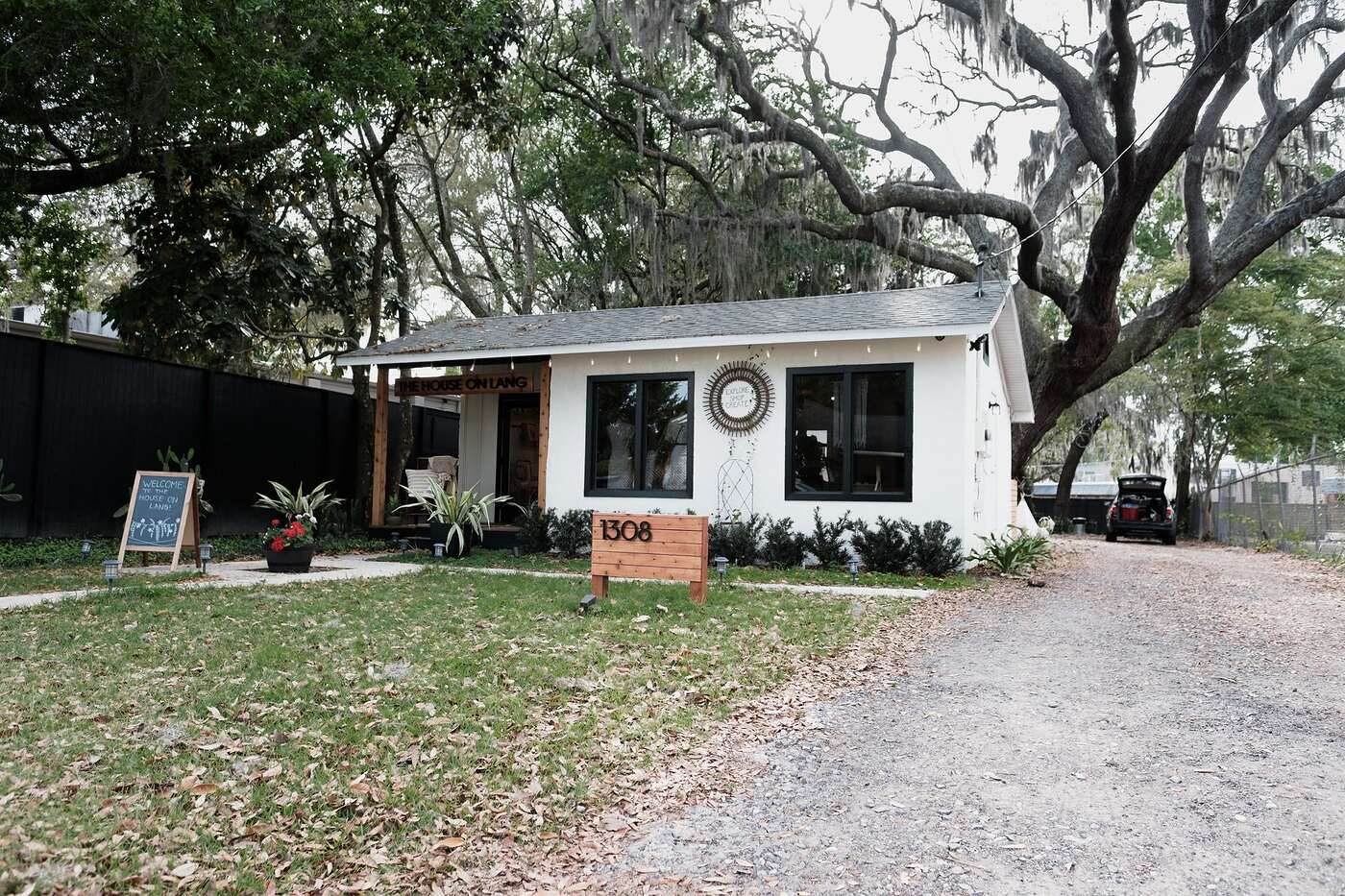
Plantation's older east side sits under one of the heaviest tree canopies in Broward County, and a limb on a 1960s ranch roof is a roof rat's front door. The call gets a free inspection and a sealed roofline.
Free Inspection in Plantation
The free inspection on a Plantation house starts at the roofline and works down, because the roof rat that runs over a Plantation ceiling at night got there by climbing. Whoever attends walks the eaves from a ladder, checks the attic with a light, looks at every soffit return, vent screen and utility penetration, and on a tile roof checks the bird stop along the first course. The findings come back in writing with each line of work priced on its own.
Plantation is in Broward County, about seven miles west of downtown Fort Lauderdale along Broward Boulevard, so a call from the east side ranches or from Plantation Acres is inside the everyday service area. The phone is picked up day and night. Licensed contractors handle every job we route, and the FDACS license number is yours to check before anyone climbs. Book a Free Inspection and say what you heard, where, and at what hour.
The east side ranches and the tree canopy
Plantation's older east side, the part built out between incorporation in 1953 and the 1970s, is where most of the city's roof rat calls come from, because the houses are single-story ranches on large lots under trees that have had sixty years to reach the roof. The city's own history records a master plan with minimum lot sizes and a rule against neighboring homes looking alike, which is why the lots are wide and the canopy is continuous. Oaks, black olives, ficus and mature mango and avocado trees rest on eaves and gutters, and UF/IFAS describes the roof rat as an arboreal animal that travels branches, wires and palm trunks to reach a roof.
On a 1960s ranch the weak points are the ones that age: original wood fascia with a gap where it has pulled from the deck, aluminum soffit panels pushed up by a limb, gable vents with a rusted screen, and the ends of a tile course at the eave where the bird stop has corroded or was never fitted. Any of these gives an opening larger than the quarter inch that UF/IFAS sets as the rat-proofing standard. A rat ranges about 150 yards from its den, per UF/IFAS, so a fruit tree three houses down keeps a Plantation attic supplied all season.
Plantation Acres, acre lots and canals
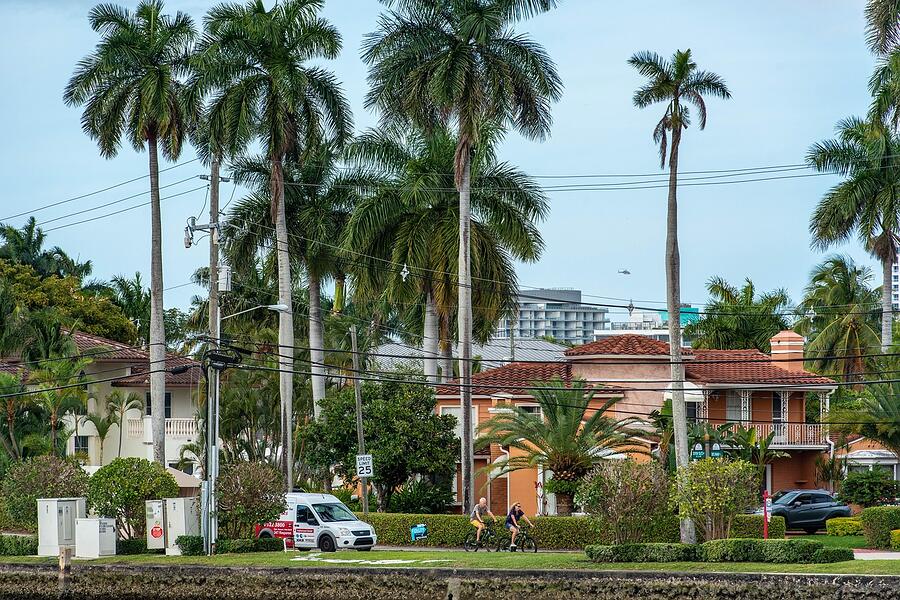
Plantation Acres, on the west side of the city and added to Plantation in 1973, is a different rodent problem from the east side: acre lots, long drainage canals, pasture edges and outbuildings. The area was platted around one-acre parcels with most of each lot meant for gardens and fruit trees, and a water control district has managed its canals since 1946. Fruit trees, canal banks and horse barns are three kinds of harborage a suburban lot never has.
The canal bank at the rear of an Acres lot is the part of the property that gets inspected least and used most. Roof rats travel the hedge and fence line along the water and climb from there, and a Norway rat will burrow into a bank or under a slab beside a barn where feed is stored. Whoever attends walks the rear line as carefully as the roofline, and the quote separates the attic work from any ground-level work at a barn or shed so you can see which is which. The rodent inspection page describes what gets written down.
Storm damage, gated subdivisions and condos to the west
Plantation took some of the worst of Hurricane Wilma in 2005, with an insurance assessment estimating that at least seven in ten homes and businesses in the city had some degree of damage, most of it to roofs and siding. Wilma peeled barrel tile off Broward roofs, and the Department of Energy documents how a single broken tile cascades into its neighbors. A roof repaired in 2006 with the bird stop left out has been open at the eave for twenty years, which is a common finding on the free inspection.
West of University Drive the housing changes to gated 1980s and 1990s subdivisions and condo and townhouse stock, with tile roofs over block, HOA-maintained hedges and palms, and lakes behind the lots. There the entry points are newer and fewer, and the routes are the queen and royal palms planted within reach of the eaves. Condo and townhouse work in Plantation is a board or property manager decision, which the commercial rodent control page covers. After any named storm, the post-storm rodent inspection looks at lifted tiles and torn soffits before rats find them.
What We Handle in Plantation
Every routed job in Plantation is built around sealing the house first and trapping what is already inside, with cleanup quoted as its own line.
- Roof rat removal: the species in almost every east side ranch attic, arriving along oak and mango limbs
- Rodent exclusion: fascia gaps, soffit returns, gable screens and tile eave closures on houses built between 1953 and the 1970s
- Rodent inspection: free, from the roofline to the canal bank on an Acres lot, with written findings
- Attic cleanup: droppings and soiled insulation removed from a hot, vented Plantation attic
- Attic insulation replacement: compressed and wet insulation no longer delivers its rated R-value, per the Department of Energy
- Dead rodent removal: the odor in a wall after someone used bait without sealing
- Rodent clearance letters: for a sale of an older Plantation house where the buyer's inspector found droppings
A Typical Plantation Job
The situation: A family in a 1960s ranch east of University Drive hears a rolling scamper over the family room ceiling every night after ten. A black olive limb lies across the back slope of the roof and an avocado tree drops fruit by the fence. They have been told it is probably a squirrel. One parent has started sleeping on the couch to listen for it.
What gets done: Whoever attends finds droppings a quarter to half inch long, curved and pointed at the ends, along the top plate above the family room, a soffit panel lifted where the limb meets the eave, and a gable vent screen with a chewed corner. The limb goes on the list for pruning back to six feet. The soffit is refastened and backed with quarter-inch galvanized hardware cloth, the gable vent is rescreened in metal, and snap traps go on the dropping run and stay at least a week, since UF/IFAS notes roof rats avoid new objects. Exclusion, trapping and a return visit are three separate lines on the quote.
How it turns out: Several adults are taken in the first week and the attic goes silent. The return visit finds no fresh droppings, the family gets a written list of what was sealed and where, and the avocado tree stays. The insulation is quoted separately and they decide on it later.
What This Costs in Plantation
A Plantation rodent job is priced from national typical-job bands, confirmed at the free inspection and itemized line by line.
| Line item | National band (HomeGuide 2026) |
|---|---|
| Standalone inspection | $0 to $175 nationally; free here |
| Trapping and removal | $250 to $1,200 |
| Full-home exclusion | $500 to $2,500 |
| Attic cleanup and decontamination | $600 to $2,500 |
| Insulation removal and replacement | $2.50 to $5.50 per square foot |
| Dead rodent removal | $150 to $500 |
Two Plantation conditions move a quote inside those bands. A wide east side ranch has a long roofline with many soffit returns, and a tile eave has to be closed along its whole length, which pushes exclusion toward the upper end; a slab-on-grade house has no crawl space or basement, work the national guides price and a Plantation house does not need, which pulls the total back down. Ask whether any monthly monitoring plan is folded into the number.
Keeping rodents out once they are gone
Three approaches, and why sealing is the one that lasts.
Video: 3 Ways To Get Rid Of Mice or Rats, And Keep Them Out!, from Everything Homestead.
Common Questions in Plantation
What callers from Plantation want settled before they book.
Plantation houses
Do I need to cut the trees back before the rats will stay out?
Sealing keeps them out and pruning makes the sealing last. A limb resting on a Plantation roof is the route, so the contractor we route notes every branch and frond within about six feet of the eave, and the homeowner or a tree service takes those back. With the roofline closed to the quarter-inch standard, a rat on the roof has nowhere to go; with the limbs pruned, fewer of them get to the roof to test the work. Neither step replaces the other, and the canopy on the east side is worth keeping for every other reason.
My house in Plantation Acres has a barn. Is that a different job?
A barn or shed with stored feed is a ground-level job and the house is a roofline job, and the quote should show them as separate lines. Feed rooms and canal banks draw Norway rats, which burrow, while the attic draws roof rats, which climb. Whoever attends walks both and prices metal feed storage, slab-edge sealing and any bait placement for the outbuilding apart from the exclusion and trapping at the house. Bait outside is a licensed-operator product in a tamper-resistant station, and applying it calls for an FDACS pest control business license with a certified operator.
Getting rid of them
What is the cheapest way to get rid of rats?
The cheapest plan that holds is sealing the roofline and trapping the animals already inside, because the cheaper-looking options get paid for twice. Bait alone leaves the soffit open, so the attic refills from the canopy, and the EPA notes that anticoagulant rodenticides kill four days to two weeks after feeding starts, so a baited rat dies in the attic or a wall. Trapping alone leaves the doorway open. A closed house with a short trapping program is one job with an end; the other two are recurring invoices.
How long will it take?
A light infestation with the roofline sealed is usually over within days, and a heavy one runs one to two months. HomeGuide puts trapping a few animals at two to three days and a severe case at one to two months. Two things stretch a Plantation job: an attic that has been occupied for a season, since roof rats here breed through the year, and a roof where nothing was sealed on the first visit. Traps stay at least a week before anyone moves them, and the return visit confirms the attic is quiet before the job closes.
Still have a question? Call (954) 790-6402 and ask.
Nearby Areas We Serve
The contractors dispatched to Plantation cover the neighboring Broward County towns as well, and the whole county is inside the service area.
Book a Free Inspection in Plantation
Call (954) 790-6402 or send the form for a free inspection anywhere in Plantation, from the east side ranches to the Acres. Someone answers around the clock and the inspection costs nothing.