Rodent Removal in Tamarac, FL
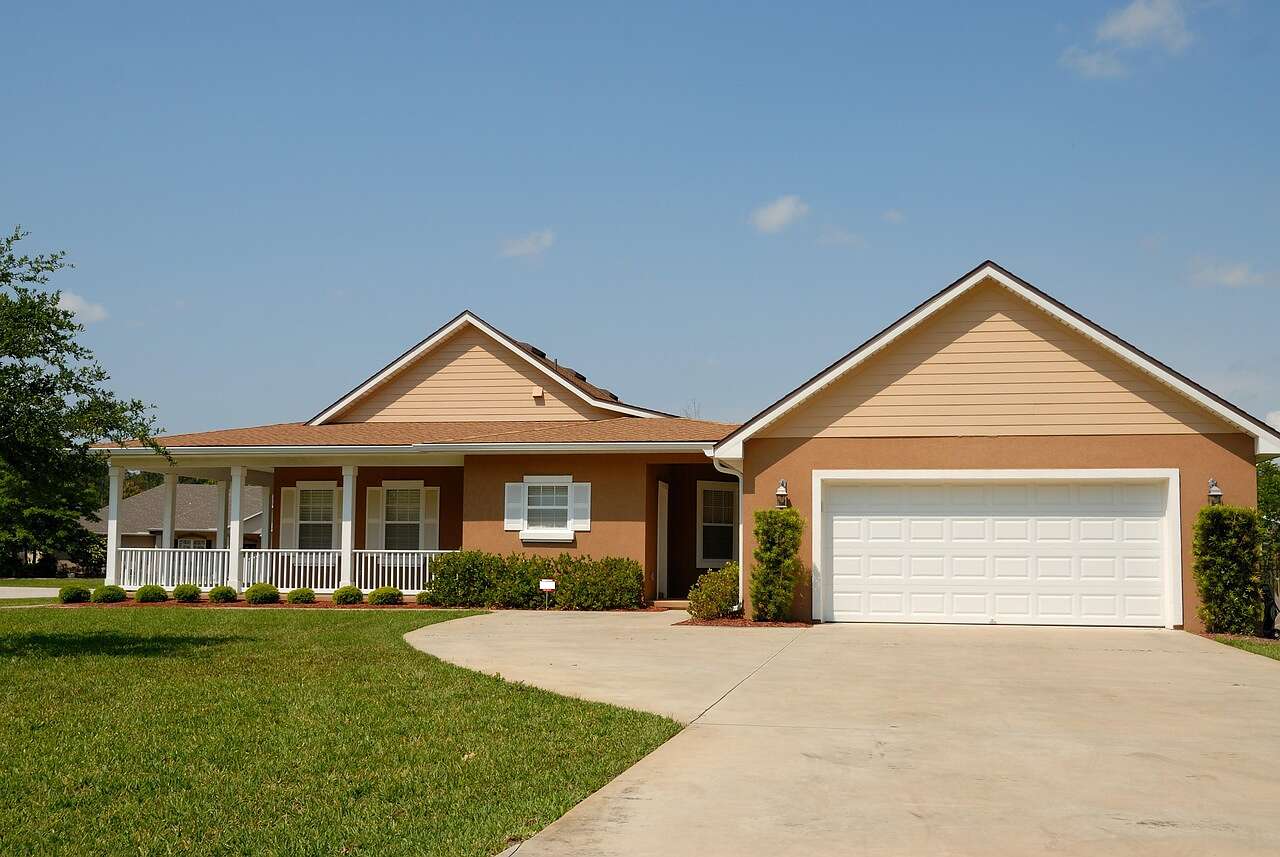
Tamarac was built for retirees in the 1960s and 1970s, and its single-story block homes and low-rise condos put the attic directly over every bedroom. The call gets a free inspection and an itemized quote.
Free Inspection in Tamarac
A free inspection in Tamarac starts at the eave, because on a single-story block house every attic entry is within a short ladder's reach, and it ends in the attic with a light on the insulation, where droppings and runways show how long the animals have been there. Whoever attends measures each opening against the quarter-inch figure UF/IFAS gives as the rat-proofing standard, notes the canal bank or golf course rough behind the lot, and puts exclusion, trapping and cleanup on separate lines of the quote.
Tamarac is in west-central Broward County, roughly 12 miles northwest of downtown Fort Lauderdale, between University Drive and the Sawgrass Expressway. Someone picks up the phone day and night, which matters here, since attic activity is loudest between midnight and dawn and most people call when they cannot sleep through it. Book through the contact page or call (954) 790-6402.
Single-story block homes from the retirement-community years
Tamarac was incorporated in 1963 by a developer selling maintenance-free two-bedroom homes to retirees, and the housing that followed through the 1960s and 1970s is mostly one-story concrete block with a low-pitched roof, a short soffit and, on many streets, a barrel tile roof laid at the time. For a roof rat that is a convenient house. Every attic entry point sits a few feet above head height, the attic is one continuous space over every room, and the original soffit vent screens, fascia boards and tile eave closures have had 50 or more years of sun, rain and salt air.
The tile eave is where most Tamarac attics open. The first course of barrel tile is meant to be closed at the eave by a bird stop, a code-approved metal closure, typically 26 gauge galvanized steel or aluminum, and the Department of Energy names bird stopping among its recommended measures for tile roofs. When the original closure has corroded out, the void under the tile runs the full length of the eave, and a rat needs half an inch. On shingle roofs from the same era the weak points are the pushed-up aluminum soffit panel, the gable vent with a rusted screen and the gap where the fascia has pulled away from the roof deck. The fix is metal, fitted and fastened. Foam in the gap lasts until the first night a rat finds it.
Low-rise condos, 55-plus communities and who decides
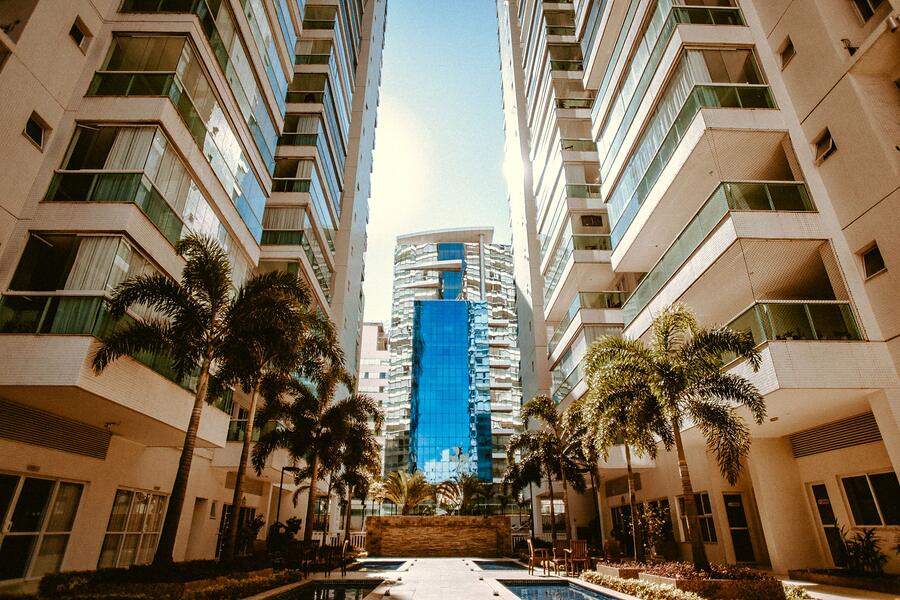
A large part of Tamarac's housing is in low-rise condominium and villa communities, many of them age-restricted, and in those buildings the attic is shared across several units, so a rat heard over one bedroom has usually been over the neighbor's as well. The roofline, the soffits and the attic belong to the association in most of these communities, and the exclusion work has to be approved by the board or the property manager before a contractor closes anything. The trapping inside a unit can often start sooner.
The practical sequence for a Tamarac condo owner is to report the noise in writing to the manager, ask for the roofline of the whole building to be inspected rather than one unit, and ask that the quote separate exclusion of the building from trapping in the affected units. A board that seals one eave and leaves the rest open pays for the same job twice. The commercial rodent control page is written for managers and boards, and the free inspection can be booked by a manager on behalf of a community as easily as by an owner.
Canals, golf courses and the C-14
Tamarac is threaded with drainage canals and lakes, the C-14 Cypress Creek canal, one of the major freshwater canals Broward County lists, runs across the north of the city, and several golf courses sit inside the residential grid, which gives a roof rat cover and travel routes on the side of the lot that homeowners see from the lanai and never inspect up close. Canal banks carry hedge lines, seawall caps, irrigation pipe runs and dock hardware; a golf course edge carries a tree line of sabal palms, ficus and black olive with the rough underneath.
UF/IFAS describes the roof rat as arboreal, moving along branches, wires and palm trunks, and ranging about 150 yards from its den, so a canal bank or a course boundary supplies the harborage for every house on the block. The fruit trees that Tamarac yards accumulate, mango, avocado, citrus and guava among them, feed the animal through the year, and Florida winters are warm enough that UF/IFAS says roof rats breed in every month. Limbs and fronds within about six feet of a roofline are the last step; cutting them back is written into the exclusion plan alongside the sealing, and the rodent exclusion page explains what gets closed and with what.
What We Handle in Tamarac
Tamarac jobs cover the attic, the roofline and the rear of the lot, and in condo communities they extend to the whole building on the manager's say-so.
- Roof rat removal: the animal over almost every Tamarac ceiling, trapped in the attic once the eave is closed.
- Rodent exclusion: tile eave closures, soffit rescreens and gable screens on 1960s and 1970s single-story houses, all measured to a quarter inch.
- Rodent inspection: the free roofline and attic check, with findings in writing for an owner or a board.
- Attic cleanup: droppings and urine removed from insulation that has been in a hot vented attic for decades.
- Attic insulation replacement: original batts and blown-in fill that have been compressed into runways, replaced after the attic is clear.
- Dead rodent removal: locating and removing a carcass in a wall after a bait-only plan.
- Rodent clearance letters: a written finding for a condo sale or an estate closing, common in a community with steady turnover.
A Typical Tamarac Job
The situation: A widow in a 1970s single-story villa in a 55-plus community on a canal in Tamarac hears something drag across the ceiling above her bedroom every night after midnight through December. Her daughter, visiting for the holidays, hears it too, which settles the argument with the neighbor who said it was the air handler. A sabal palm on the canal bank leans over the roof, and the tile eave at the back of the building has a dark gap where the metal closure has gone.
What gets done: The manager approves the inspection for the whole four-unit building. Whoever attends finds a dropping run along the top plate above two of the units, the missing closure along the rear eave, and a torn soffit vent screen at the far end. The eave gets a new metal closure along its full length, both soffit vents are rescreened with quarter-inch galvanized hardware cloth, the palm is marked for pruning, and snap traps go on the runs in both attics and stay a week. The quote to the association separates the building exclusion from the trapping in the two units.
How it turns out: Several adults are taken in the first week and the attic goes quiet in both units. A return visit finds no fresh droppings, the association gets a written list of what was closed and where, and the widow sleeps through the night again. Cleanup of the insulation above her unit is quoted on its own and she decides on it after the holidays.
What This Costs in Tamarac
Tamarac rodent work is quoted against the national typical-job bands below and confirmed at the free inspection, with each line separated so an owner or a board can compare it with a second bid.
| Line item | National band (HomeGuide 2026) |
|---|---|
| Standalone inspection | Nationally $0 to $175; free here |
| Trapping and removal | $250 up to $1,200 |
| Full-home exclusion | $500 up to $2,500 |
| Attic cleanup and decontamination | $600 up to $2,500 |
| Insulation removal and replacement | $2.50 to $5.50 for each square foot |
| Dead rodent removal | $150 up to $500 |
| Full-scope restoration | From $3,000 to $10,000 and beyond |
These are national numbers and there is no Tamarac cost survey behind them. A single-story Tamarac house tends to land toward the lower end for trapping and cleanup, since the attic is one level, reachable and small, and the national guides also count crawl-space and basement work that a slab-built Broward house has no need of. A full tile eave on a long villa building pushes exclusion the other way, because the closure has to run the whole length to hold. Ask any contractor whether a monitoring contract is folded into the figure; it should be its own line.
Rat holes around a building
What a burrow looks like, and where it leads.
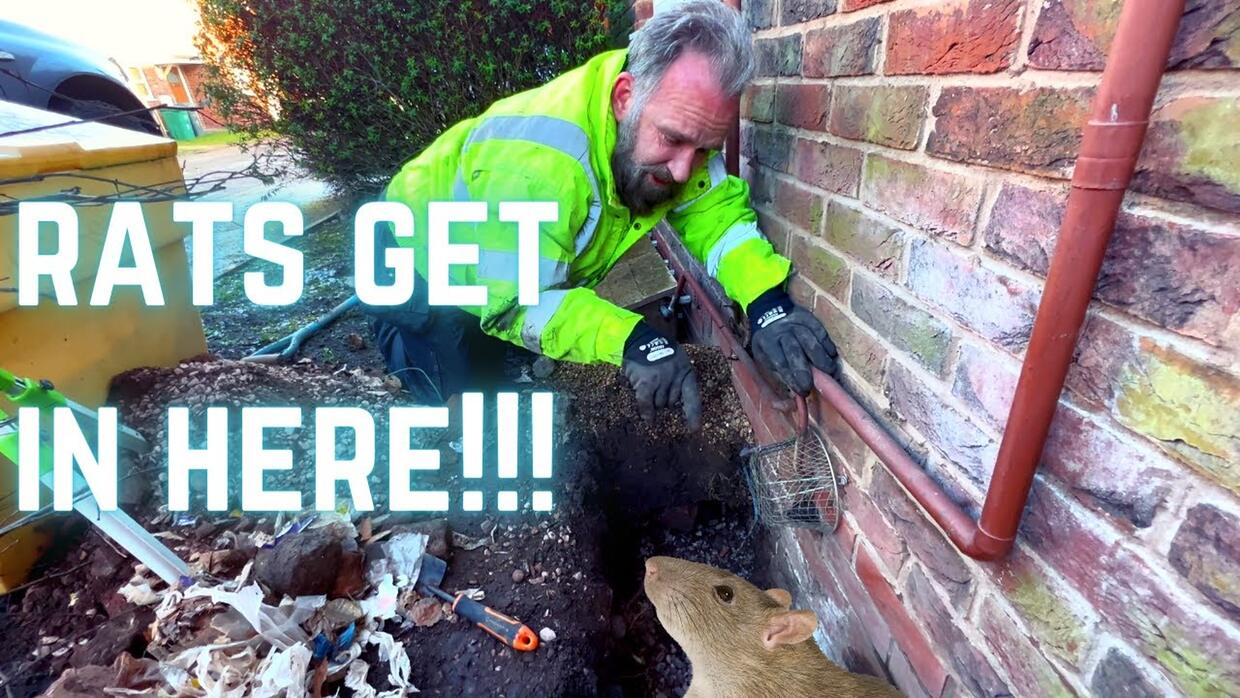
Video: RAT holes around your house? How to stop rats burrowing, from Pest Interceptors.
Common Questions in Tamarac
What callers from Tamarac want settled before they book.
Tamarac homes and condos
The noise is over my condo unit. Is it my problem or the association's?
Usually both, split along a line the community documents draw. In most Tamarac low-rise communities the roof, the soffits and the attic space are common elements maintained by the association, so sealing the eave and rescreening the vents is a board decision, while the noise, the droppings and the trapping inside the ceiling above your unit affect you directly. Report it to the manager in writing, ask for the whole building to be inspected, and ask for the exclusion and the trapping to be quoted as separate items. A free inspection can be booked by the manager for the building.
My house is one story with a low roof. Does that make it easier or harder?
Easier to inspect and close, and easier for the rat to reach. Every entry point on a single-story Tamarac block house is a short ladder from the ground, so the eave, the soffit vents, the gable screens and the utility penetrations can all be examined and sealed in one visit, and the attic is one open space where dropping runs are easy to read. The same low roofline is within a hop of a hedge, a fence top or a palm trunk, which is why the exclusion plan includes pruning back anything within about six feet.
Getting rid of them
What is the cheapest way to get rid of rats?
Closing the roofline and trapping what is already inside, because every cheaper option is paid for more than once. A bait-only plan is the lowest first quote in Tamarac and the most expensive by the end: the EPA describes most rodenticides as anticoagulants that kill four days to two weeks after feeding begins, so a rat that feeds in the attic tends to die in the attic or a wall, and UF/IFAS makes the point that trapping avoids that. Second-generation anticoagulants are restricted to tamper-resistant stations in residential settings, so any bait beyond hardware-store products is a licensed-operator job.
Is hantavirus a risk from droppings in a Tamarac attic?
A low one. Florida's identified hantavirus reservoir is the native cotton rat, an outdoor field species, and most US cases occur in the western states, so roof rat droppings in a Broward attic are a small hantavirus concern. They still warrant a respirator and gloves on general contamination grounds. The CDC counts many diseases among those rodents carry, passed on directly in urine, droppings, saliva and bites and indirectly by fleas, ticks and mites off an infected animal, which is why attic cleanup is treated as its own job after the trapping ends.
Still have a question? Call (954) 790-6402 and ask.
Nearby Areas We Serve
The contractors dispatched to Tamarac cover the neighboring Broward County towns as well, and the whole county is inside the service area.
Book a Free Inspection in Tamarac
The line at (954) 790-6402 is picked up day and night, and the form reaches the same desk. A Tamarac inspection, whether for one villa or a whole building, costs nothing and comes back as an itemized quote.